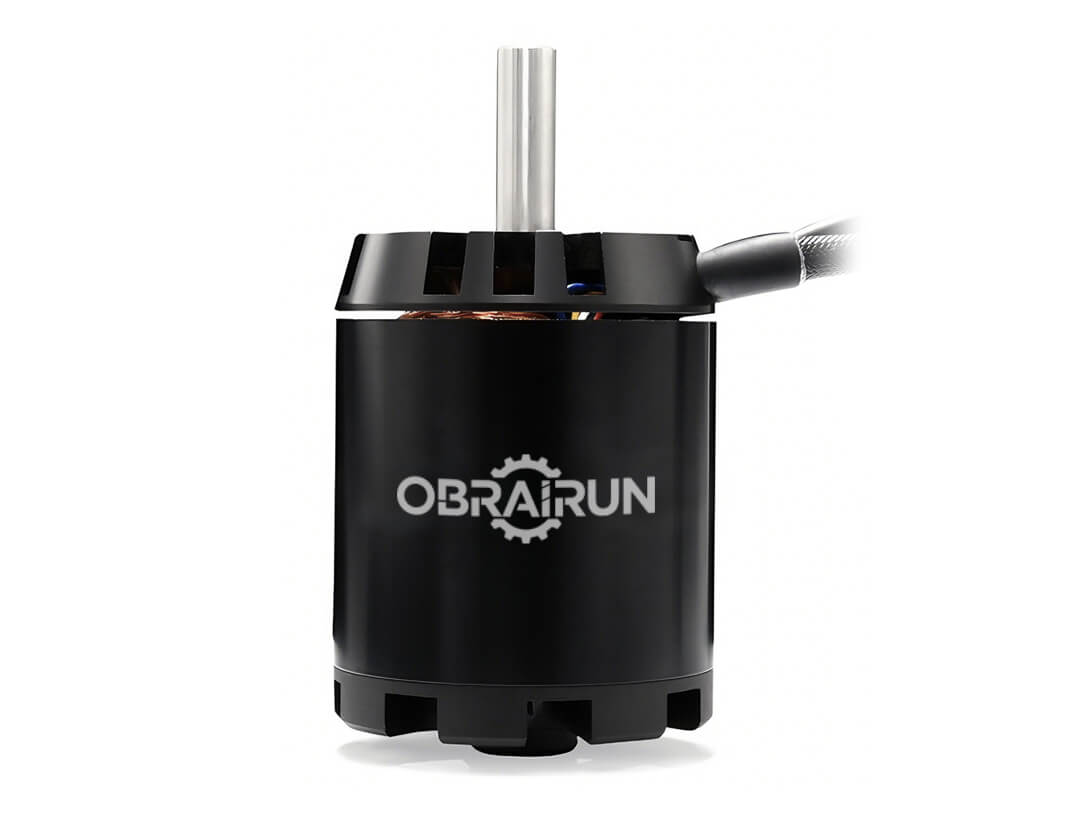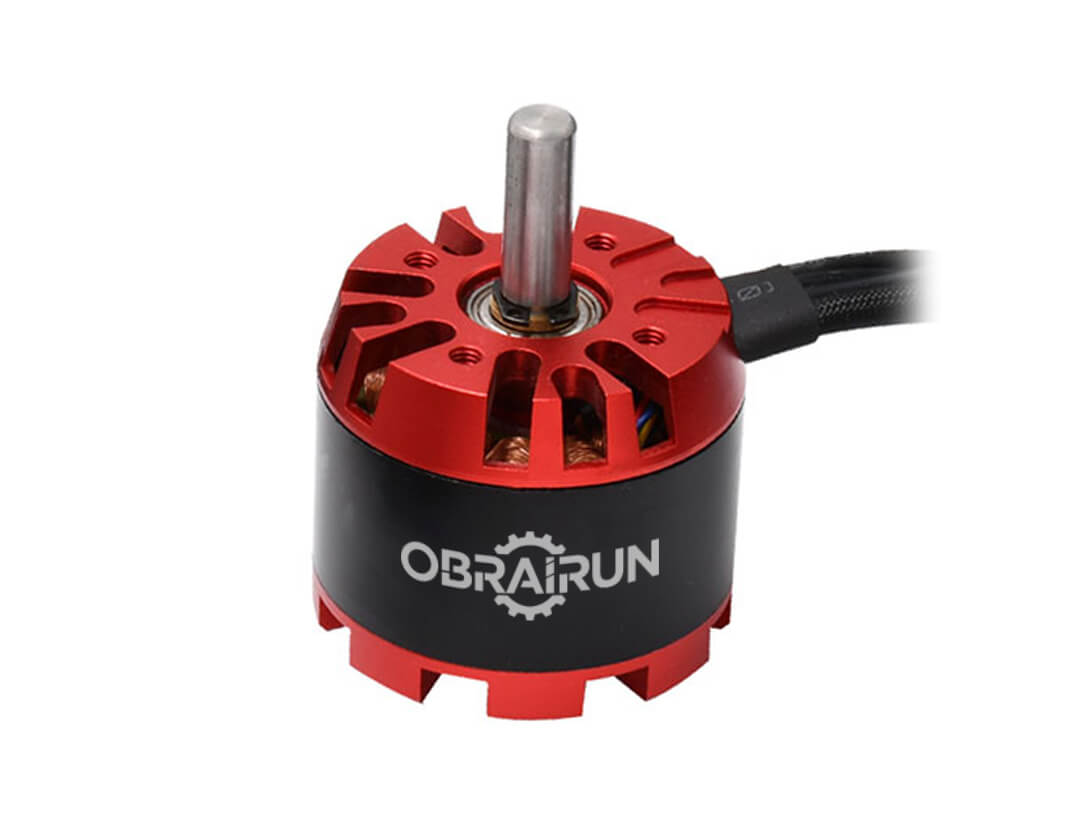

With the rapid development of drone technology, core components such as servos, motors, ESCs and propellers are the key to drone flight stability, payload capacity and maneuverability. OBRAI-RUN provides full-range drone components with high precision, high reliability and strong adaptability, fully releasing the performance potential of drones.

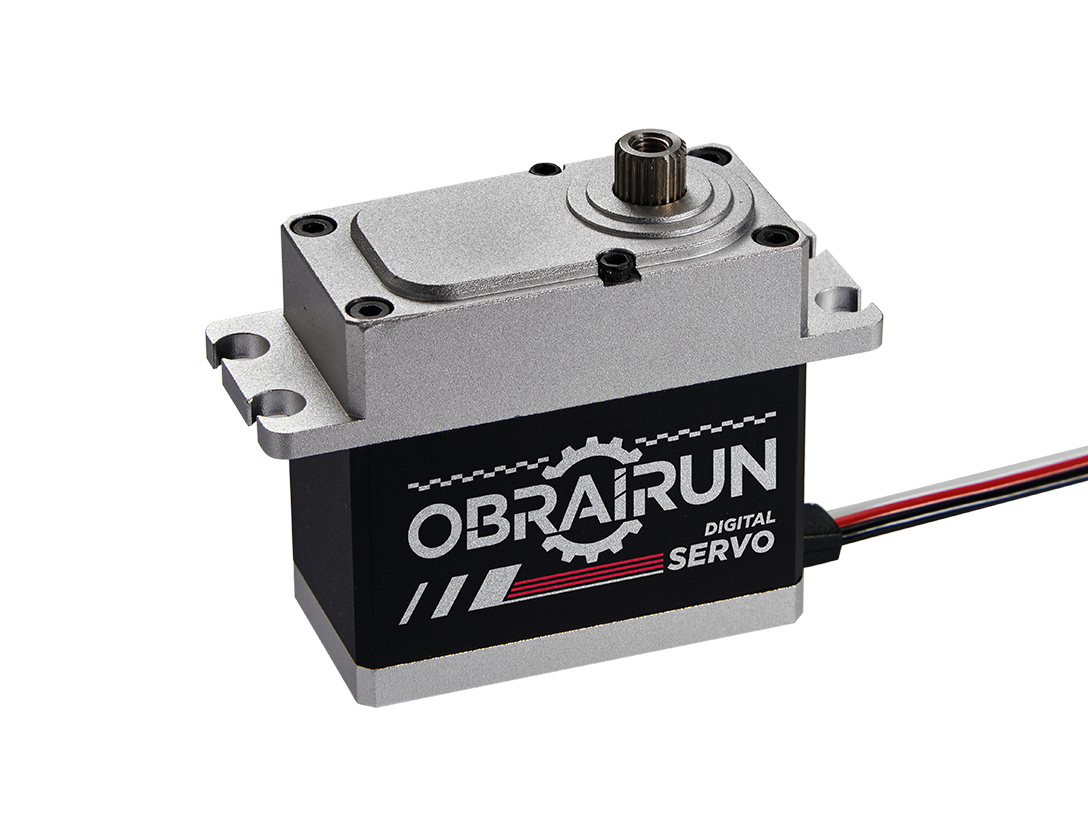
As the "joint control unit" of drones, it is used to control the drone's control surfaces, ensuring stable flight and flexible maneuvering in various environments.
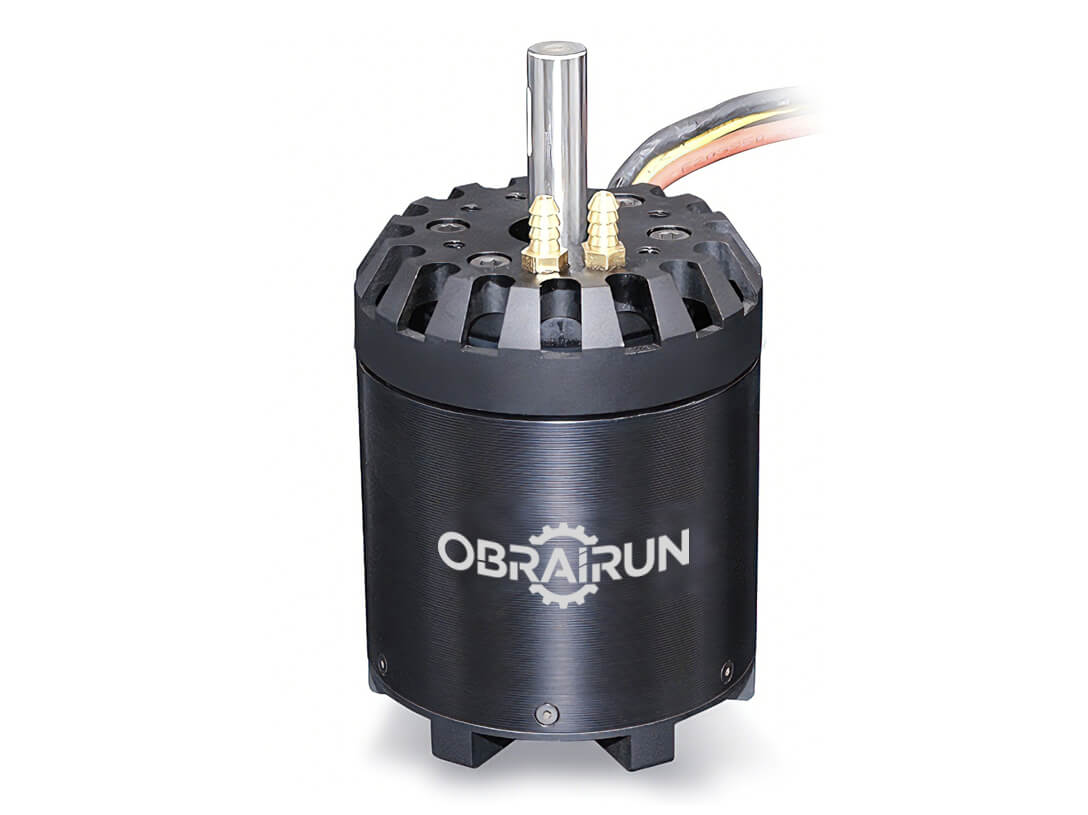
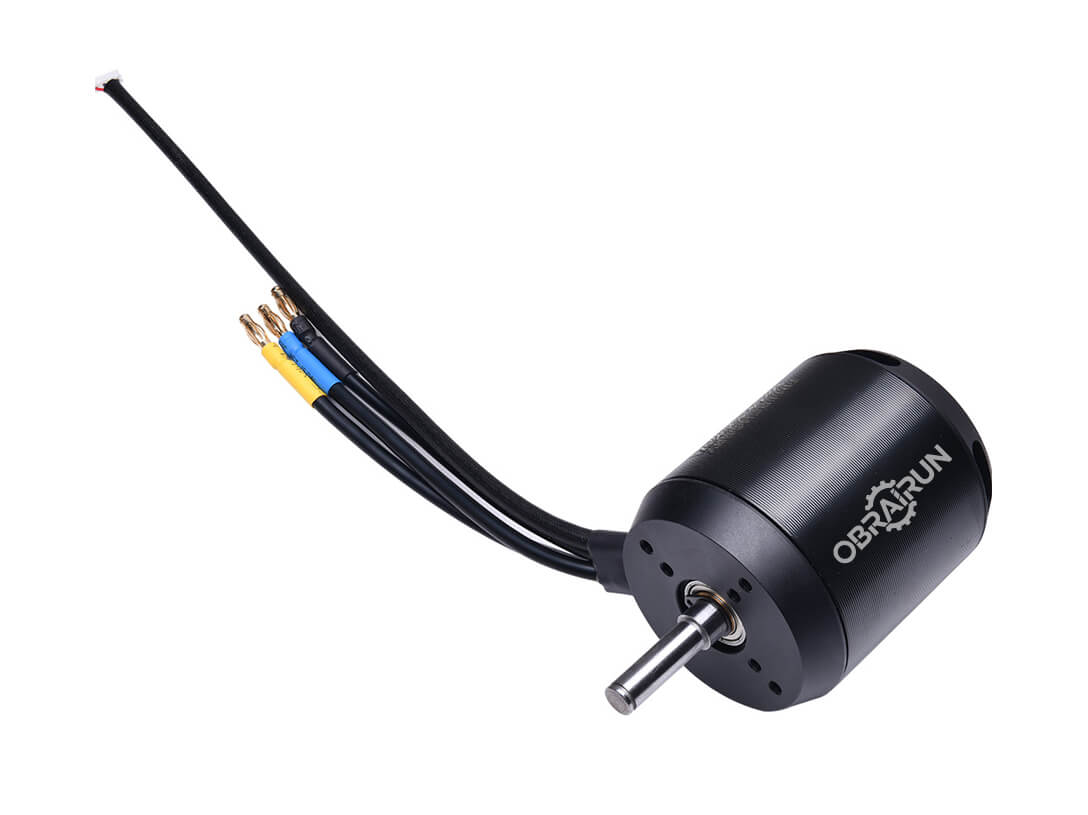
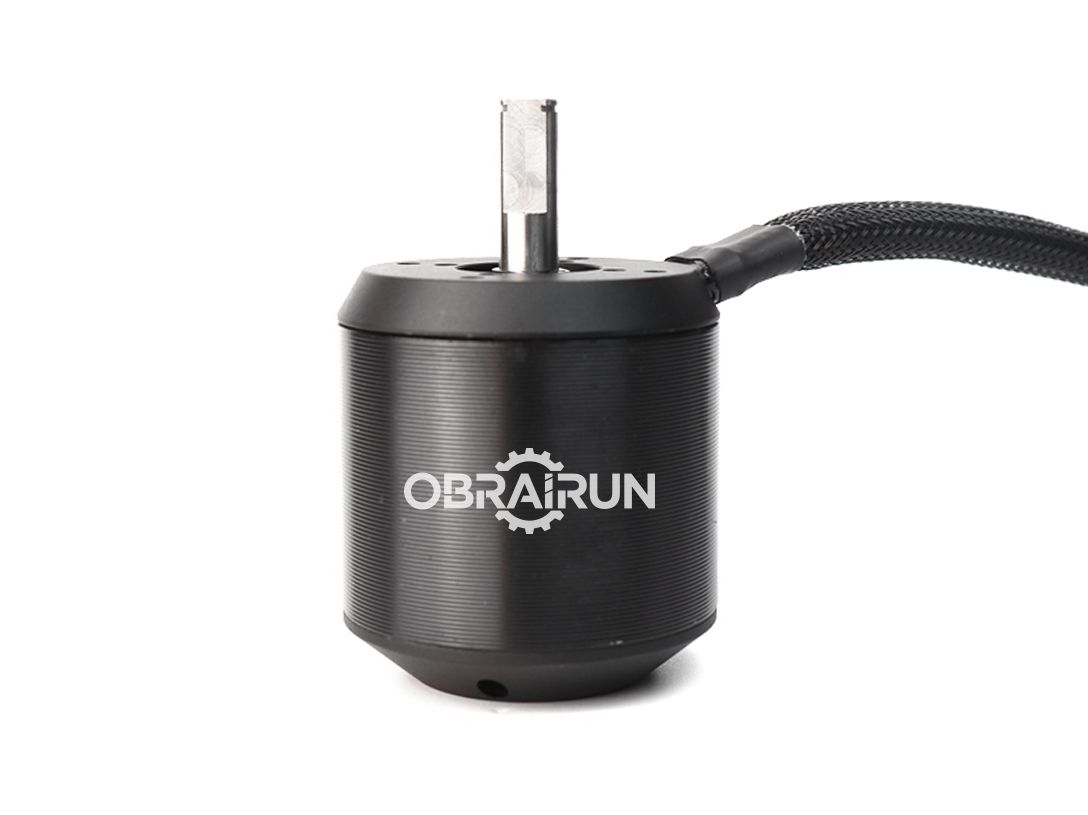
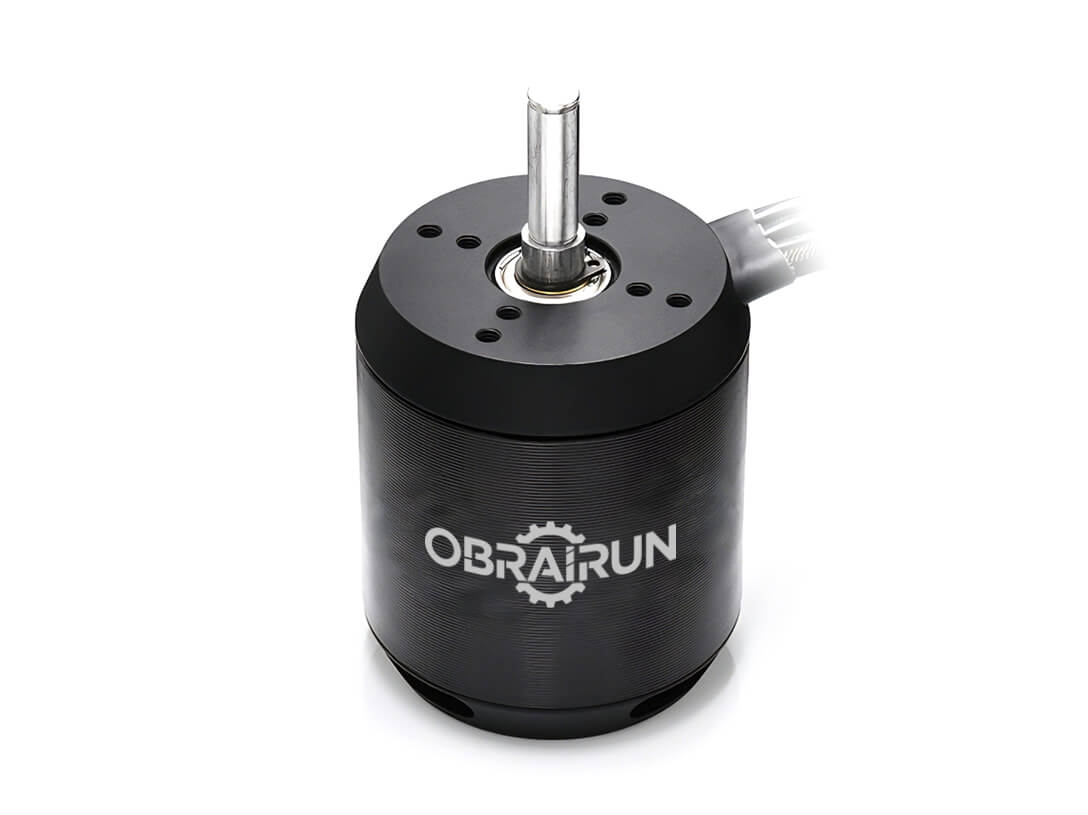
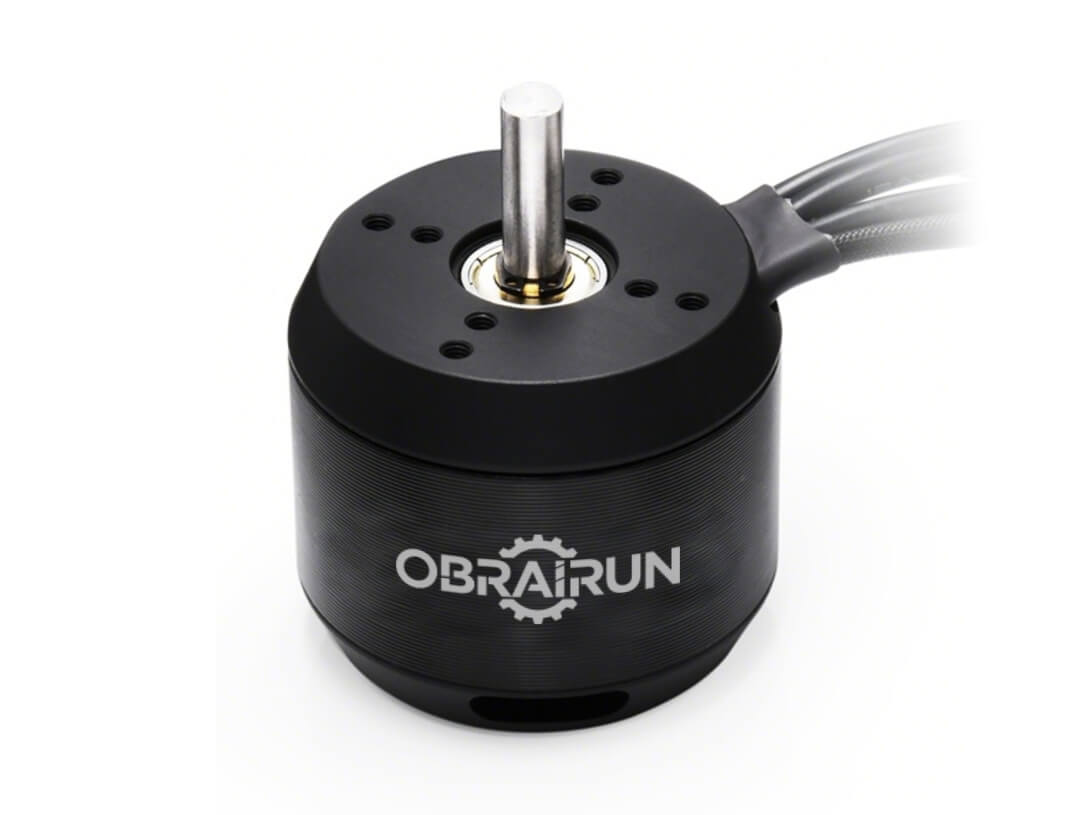
Applied to drone power systems, providing stable power output and precise speed control, supporting long flight time and heavy payload operations.
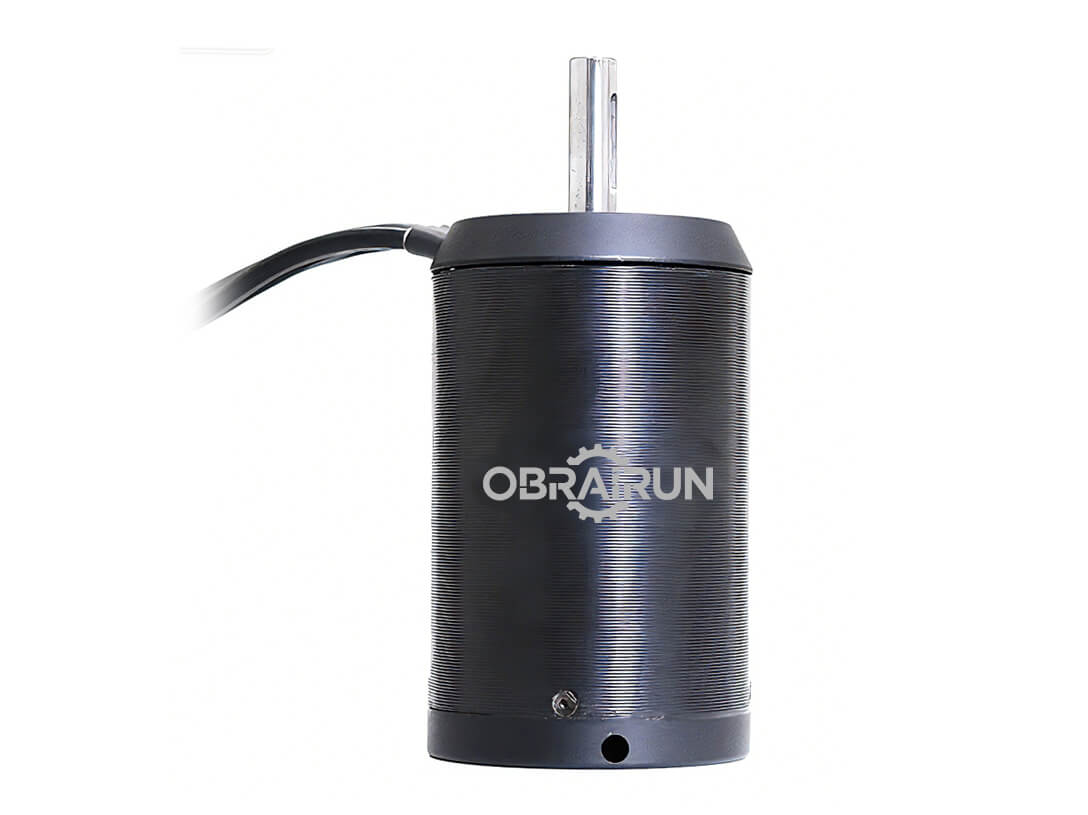
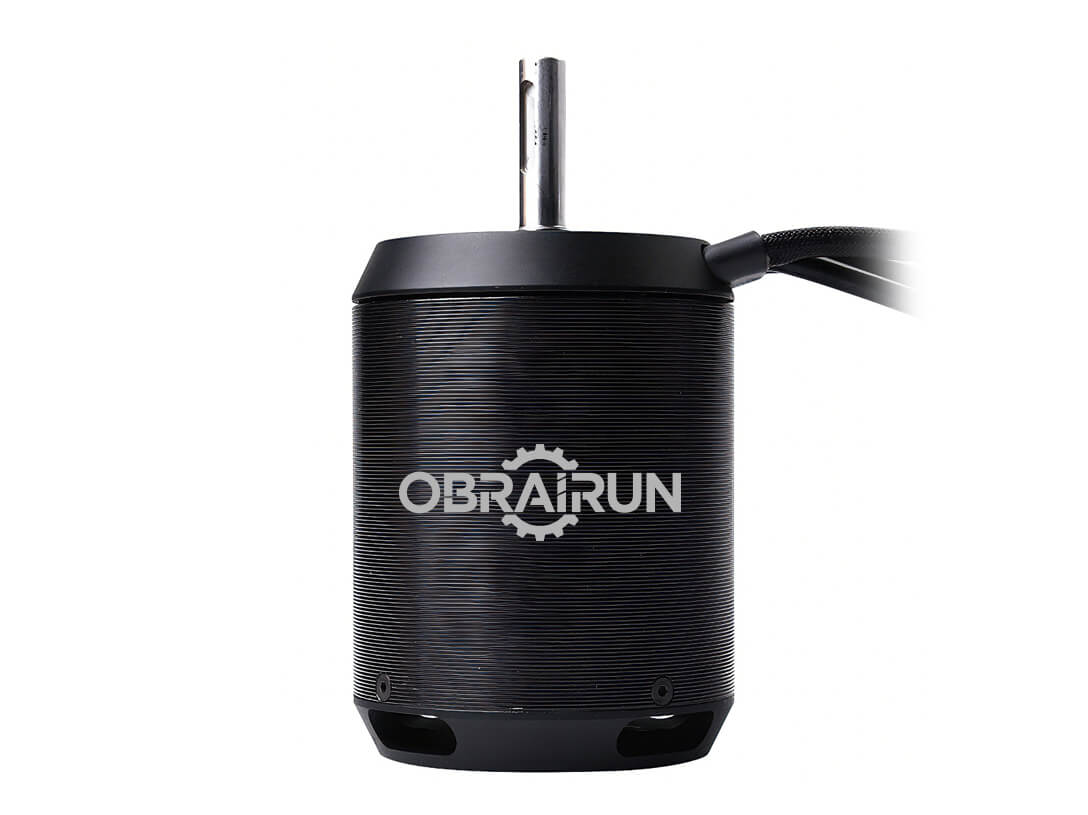
Widely used in various drones, matching the power system to improve flight efficiency, and supporting clear FPV image transmission for stable operation.
How to choose the right motor and ESC combination for racing drones, aerial photography drones, and industrial drones?
Selection must match the frame size and flight target. For racing drones, choose a high-KV (2500KV+) external rotor motor paired with a 45A+ 4-in-1 ESC supporting the DShot1200 protocol to ensure instantaneous power. For aerial photography drones, choose a low-KV (800-1500KV) motor, focusing on torque stability; the ESC should have active braking and filtering functions to ensure gimbal stability. For industrial drones, efficiency and reliability are paramount; we recommend a disc motor with excellent heat dissipation, and the ESC should have redundant power supply and fault isolation design. We provide an online matching tool that can recommend power kits with one click based on aircraft weight, propeller size, and battery voltage.
How do the gyroscope, barometer, and vibration damping design of the flight controller affect flight stability?
The gyroscope sampling rate (commonly 8kHz-32kHz) determines the attitude update speed; a high refresh rate can suppress the "jelly effect" during high-speed maneuvers. Dual barometer redundancy improves altitude hold accuracy and adapts to sudden airflow changes. Vibration damping uses moderately soft/hard silicone pillars and low-frequency filters to isolate motor vibrations from interfering with the flight controller. Our latest flight controller uses IMU thermal management technology, reducing temperature drift by 70%, and incorporates an AI vibration analysis algorithm that adaptively adjusts filtering parameters for a stable flight experience from the moment you pick it up.
How to choose the power, frequency, and antenna for the drone's video transmitter to achieve the longest/most stable transmission range?
Power (commonly 25mW-1200mW) must be compliant and matched to the distance. For indoor or short-range operations, below 200mW is suitable; for long-range operations, 500mW+ is required. The preferred frequency is 5.8GHz (strong anti-interference) and 2.4GHz (good obstacle penetration), with automatic dual-frequency switching. Antenna polarization requires transmit/receive matching (left-hand/right-hand circular polarization), and a high-gain, low-VSWR antenna should be selected. Our new generation of digital image transmission supports adaptive frequency modulation and MIMO multi-antenna, achieving 8km high-definition zero-latency backhaul in complex urban areas, and features an LBT (Listen-Before-Send) mechanism to avoid channel interference.
How are fast charging, cycle life, and power monitoring optimized for the Smart Battery?
We use multi-layer electrodes and highly conductive electrolyte, supporting 5C fast charging (full charge in 15 minutes), and maintaining >80% capacity after 500 cycles. The battery incorporates a coulomb counter and voltage/temperature monitoring chip with an accuracy error of <3%. It can transmit cell health status (SOH) and charge/discharge curves to a mobile app via Bluetooth. Usage tips: Avoid over-discharge (single cell voltage <3.5V) and charging at low temperatures (<5℃). Maintaining 50% charge during storage can extend lifespan by more than 30%.
What key components are included in the redundancy safety design and fault response mechanisms of industrial drones?
The redundancy system includes: dual-redundant flight controllers (master-slave hot backup, 20ms switching in case of failure); dual IMUs (cross-validation, automatically isolating abnormal sensors when differences are too large); dual GPS+RTK modules (achieving centimeter-level positioning and anti-magnetic interference); and power redundancy (dual batteries independently powered, supporting in-flight power-on switching). Furthermore, our ESC has in-flight start-stop functionality, automatically restarting when the motors stall, and has a reserved parachute trigger interface for automatic return to home or targeted landing in case of major malfunctions.