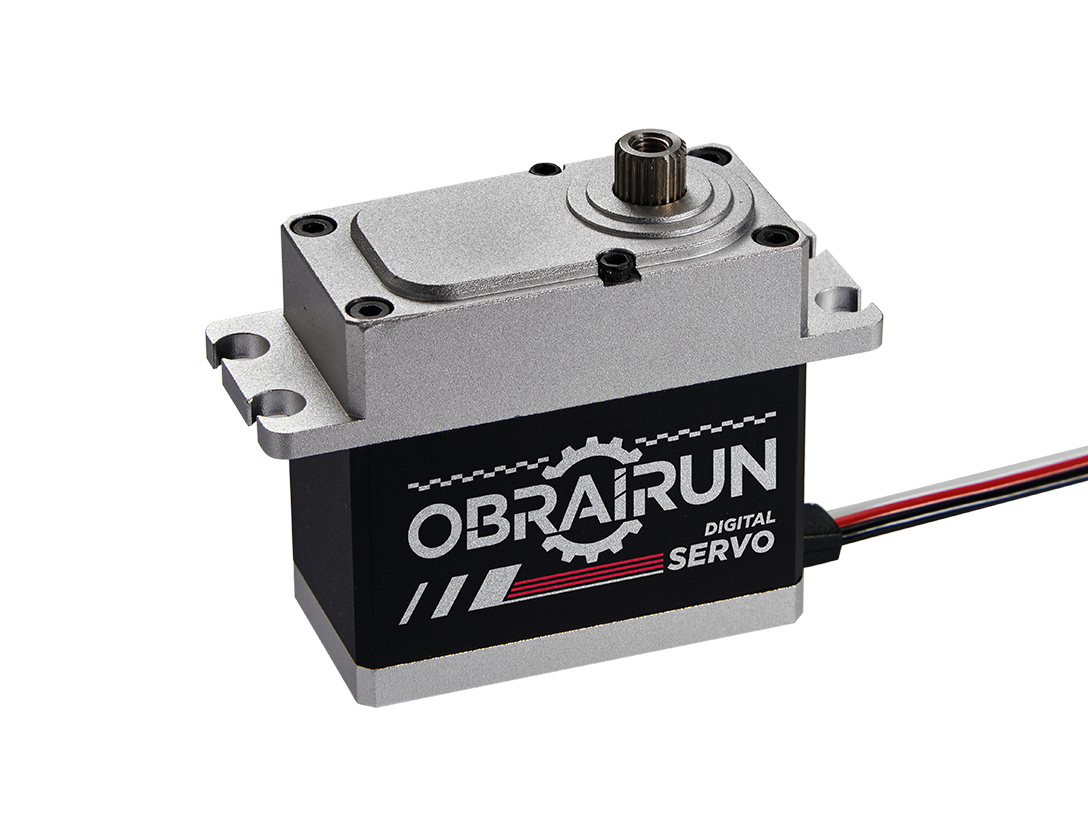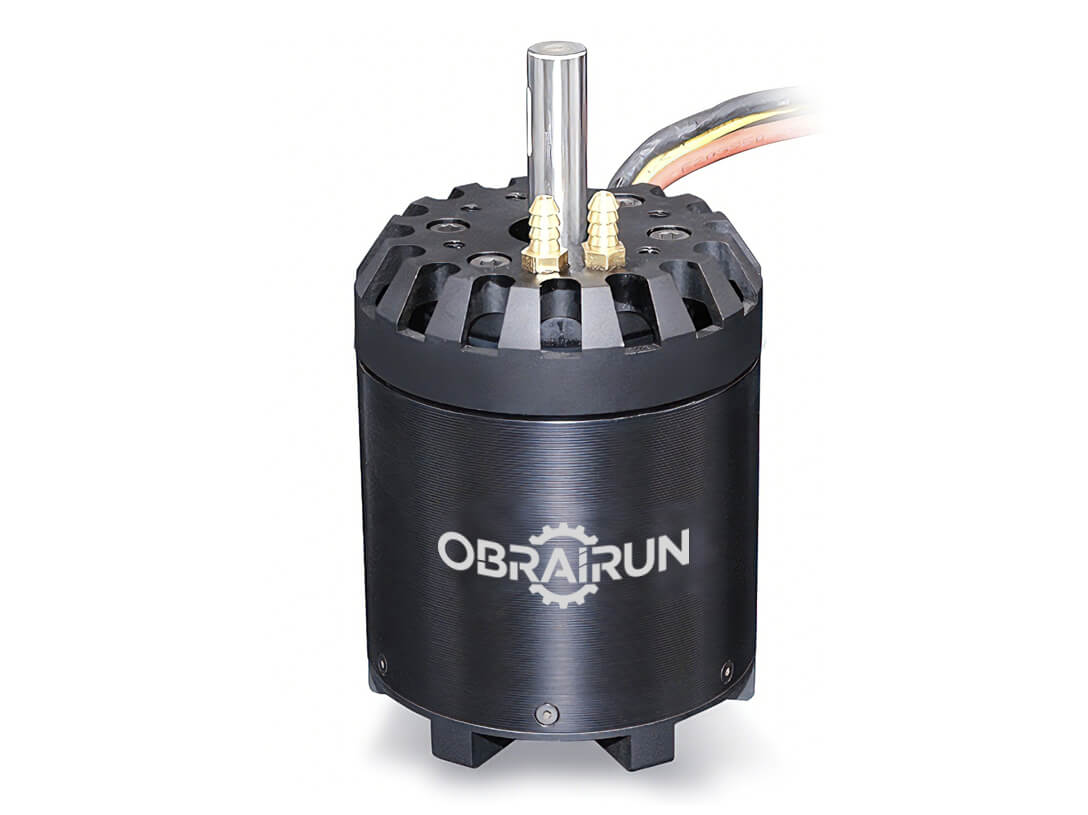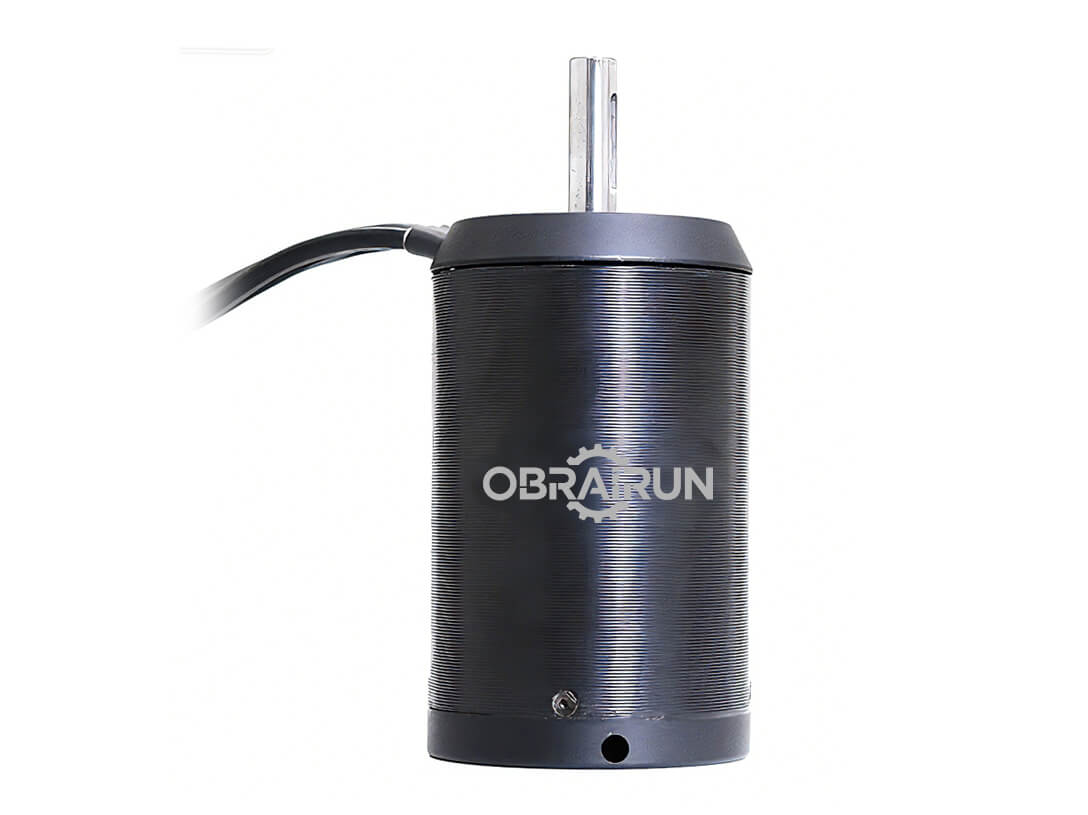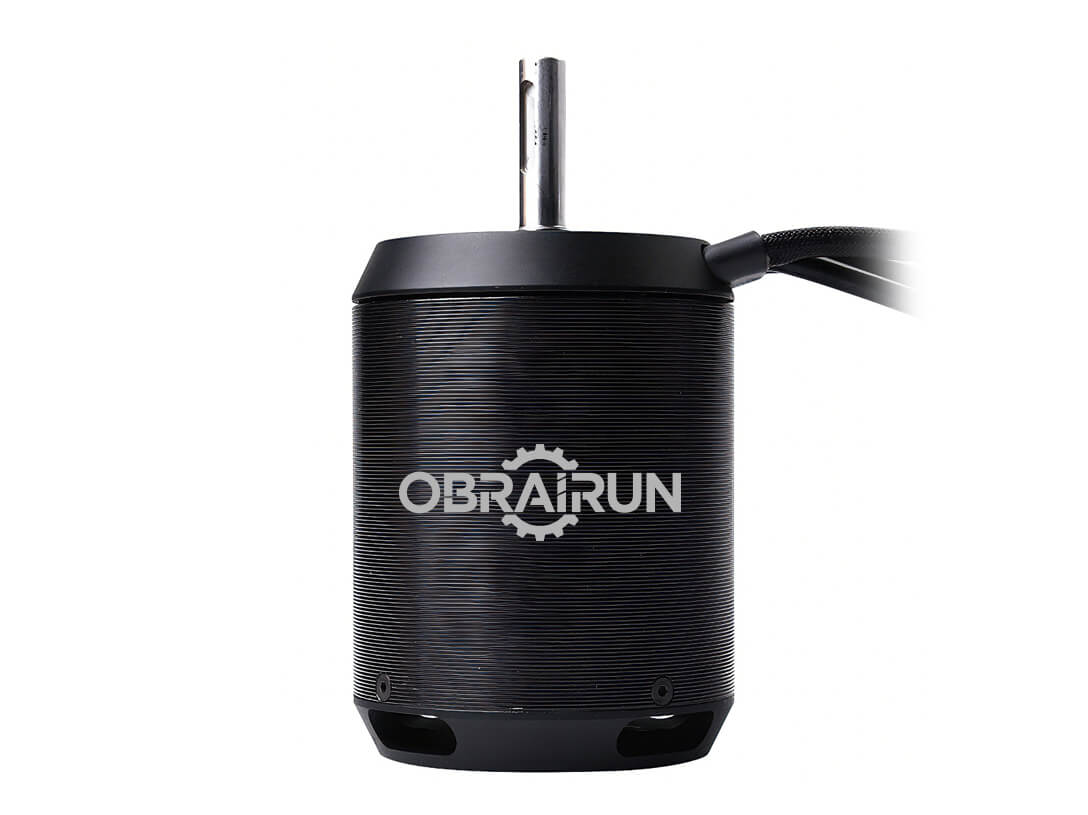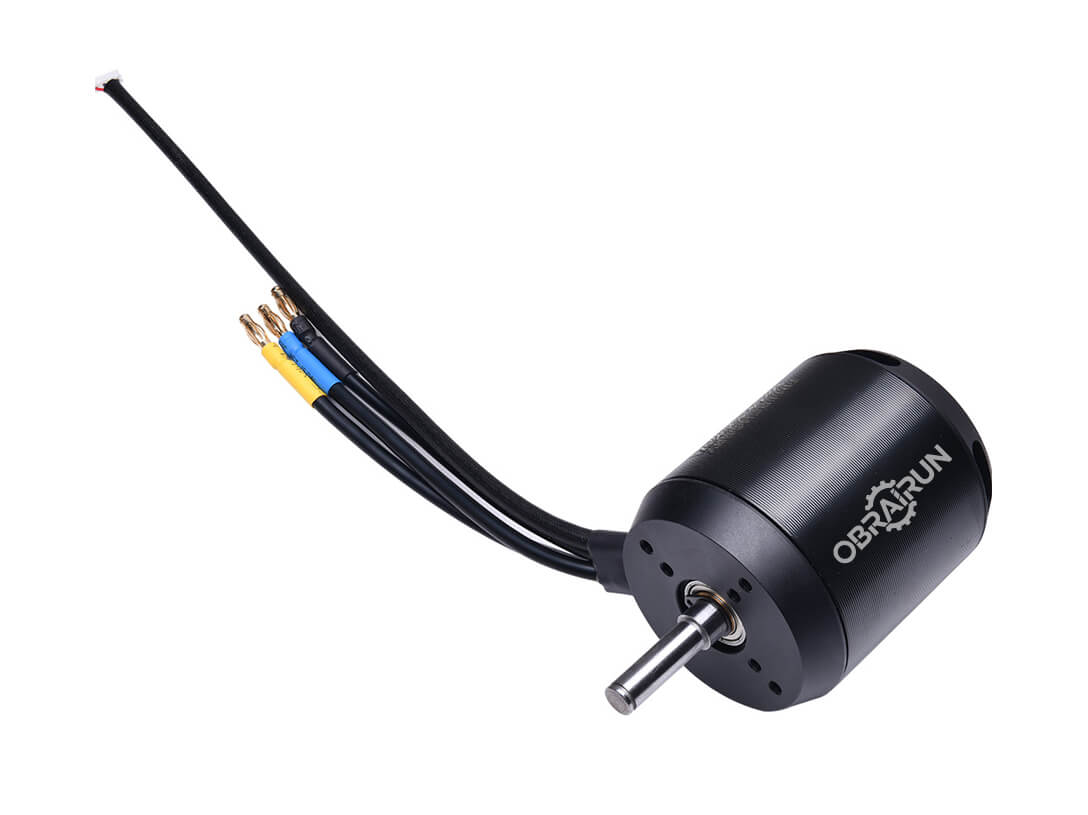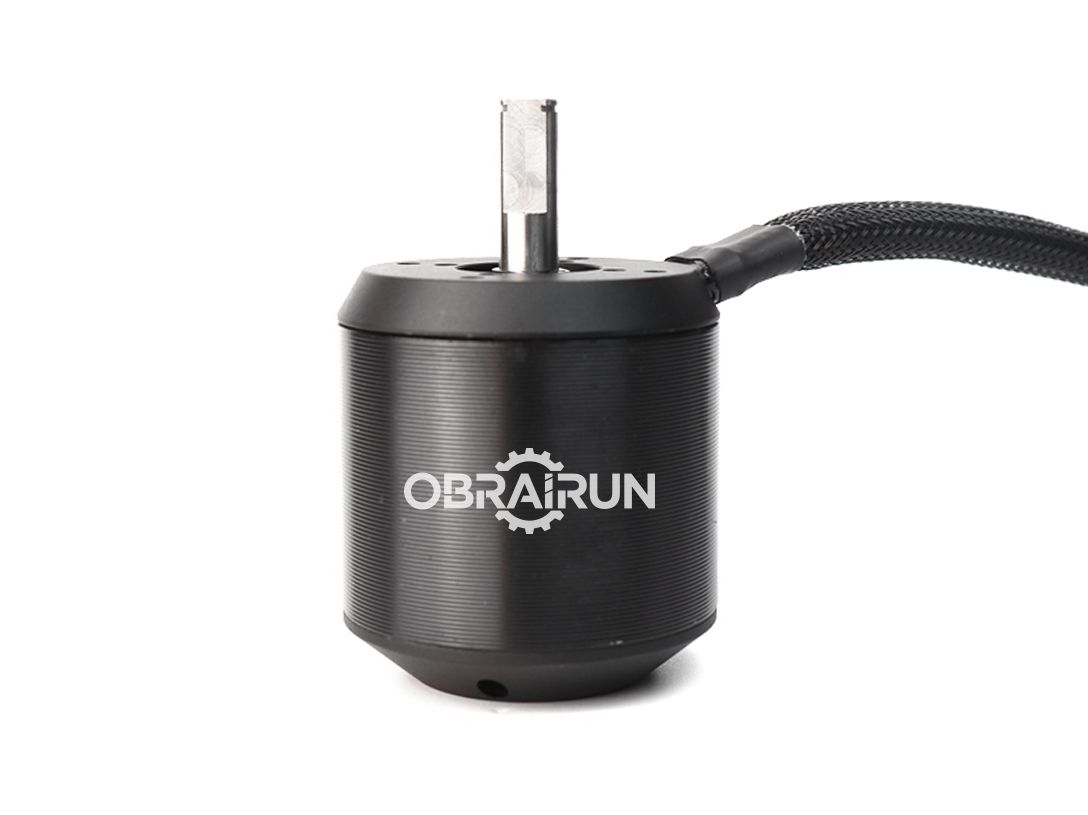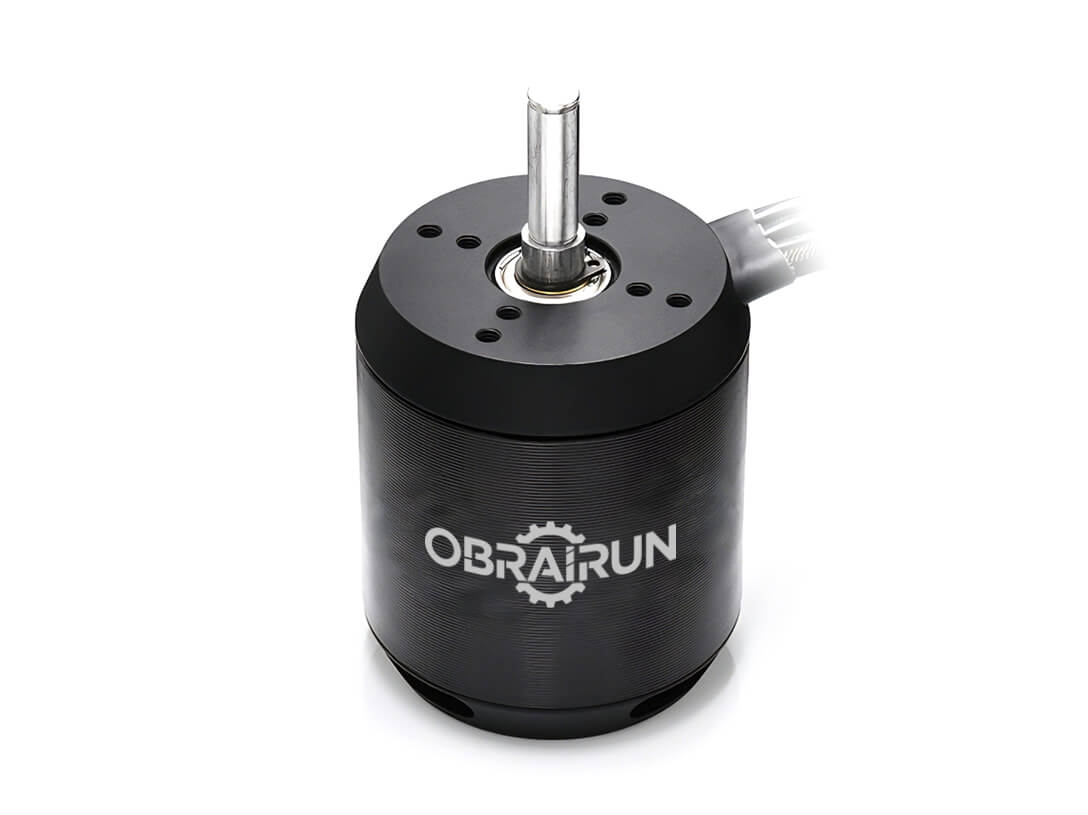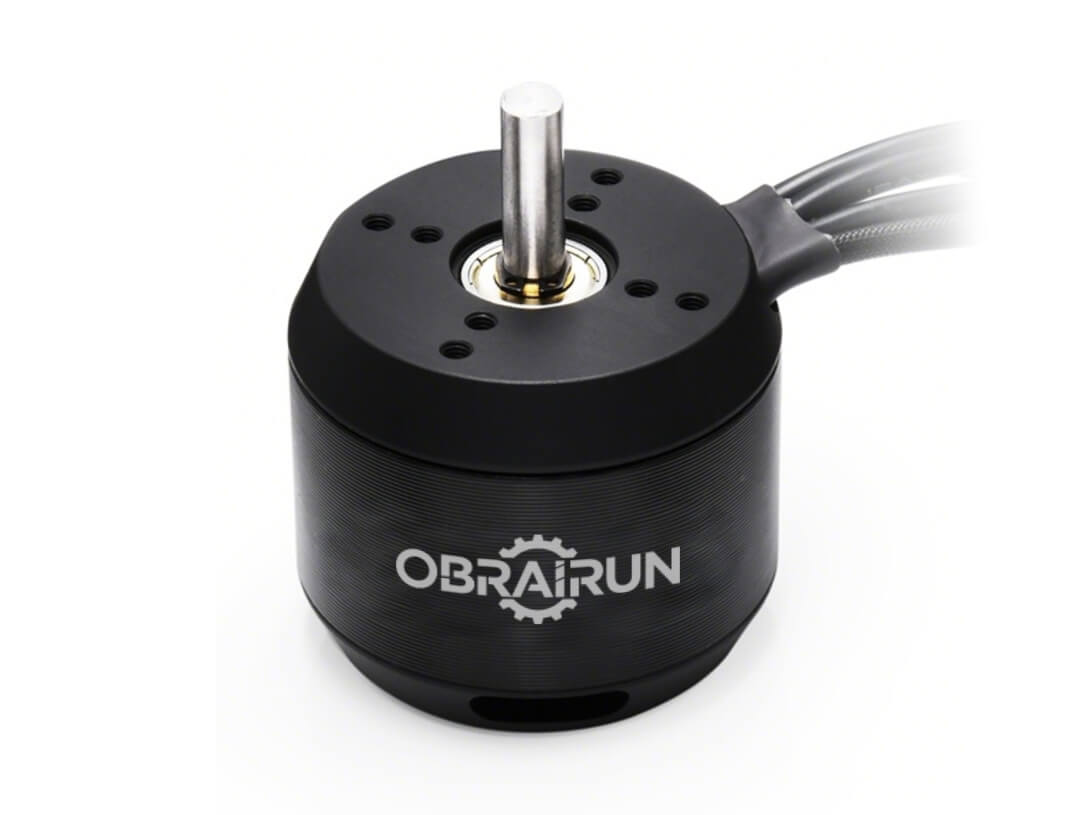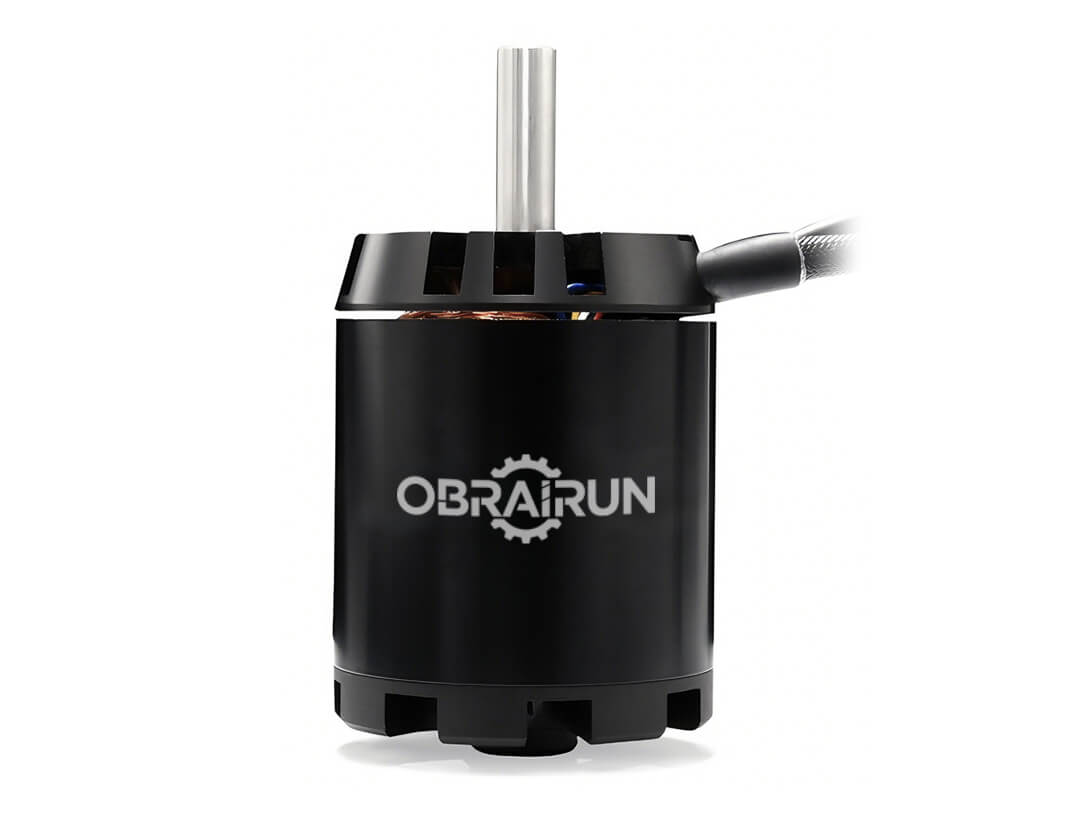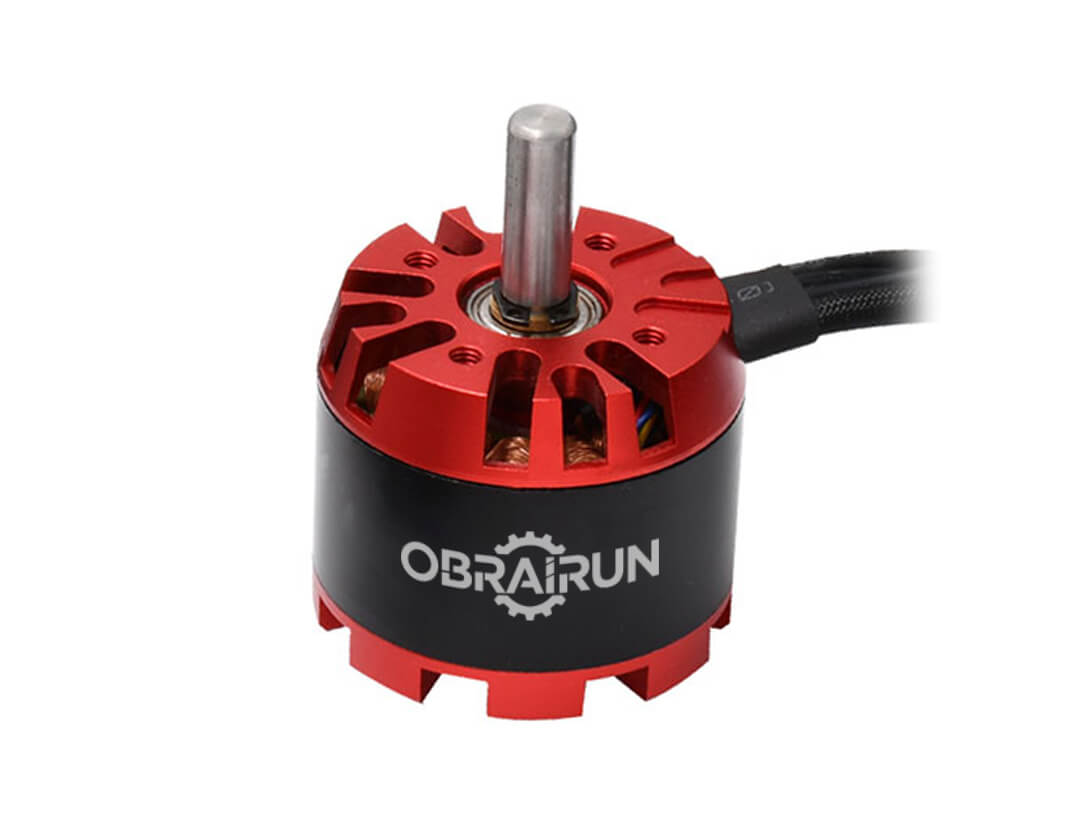
With the evolution of intelligent manufacturing, industrial automation, and heavy-duty robotics, high-torque, high-precision, and highly reliable servo systems have become core power and control components for heavy machinery, large robots, and automated production lines.
OBRAI‑RUN industrial large torque servos feature high torque density, micron-level positioning accuracy, all-metal rugged structure, brushless digital drive, and long‑term stability under heavy loads, serving as the "high‑power joint drive unit" for industrial equipment, ensuring stable, precise, and efficient motion under heavy load, high shock, and harsh working conditions.

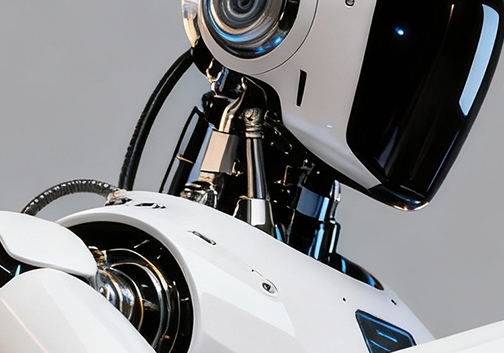
As high‑power joint actuators, OBRAI‑RUN large torque servos provide stable torque and precise position control for large robot arms, enabling heavy‑object handling, auto assembly, and precision machining with high load and high accuracy.
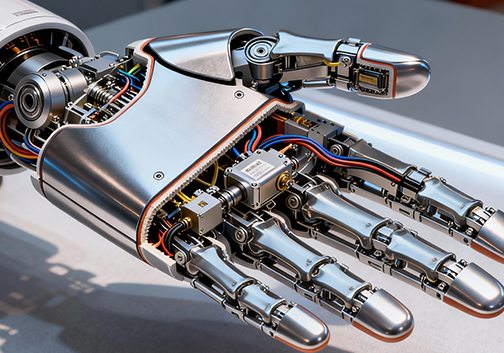
Used for steering, elevator, aileron, and rudder actuation of large‑scale, long‑endurance, heavy‑payload drones, delivering fast response and strong drive to ensure flight stability and maneuverability.
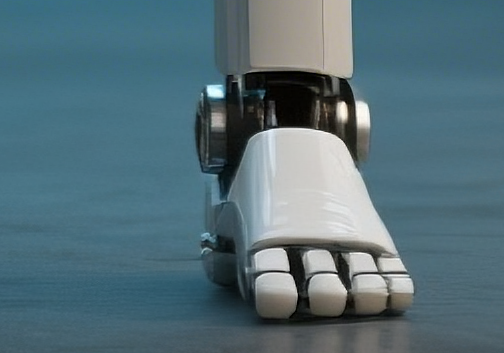
Applied in high‑power indexing tables, valve control, fixture locking, press mechanisms, and logistics sorting equipment, achieving stable, reliable, and precise heavy‑duty actuation in automated lines.
What are the core advantages of industrial-grade high-torque servo systems compared to traditional servos?
High-torque servo systems are designed specifically for heavy-duty applications. Their core advantages include: 1) Torque density increased by 30%-50%, outputting higher torque within the same volume; 2) Reinforced mechanical structure and bearing system, increasing load-bearing capacity by 60%; 3) Built-in overload protection and thermal management system, supporting 300% instantaneous overload; 4) Excellent low-speed stability, with torque fluctuation <±1.5% at 0.1 rpm. Particularly suitable for smooth start-up and precise positioning of high-inertia loads.
How is torque stability guaranteed during low-speed operation?
We ensure low-speed stability through multiple technologies: using a 256-bit high-resolution encoder to achieve nanometer-level angle feedback; applying harmonic suppression algorithms to eliminate torque pulsation; equipped with dynamic friction compensation function to automatically identify and cancel static and viscous friction; and simultaneously, water-cooling/oil-cooling dual-mode heat dissipation to ensure no thermal decay during long-term low-speed operation. Actual measurements show that torque fluctuation can be controlled within ±0.8% at 0.5 rpm.
How reliable is the system under heavy-load impact conditions?
The system is specifically designed for impact loads: the mechanical parts employ a reinforced planetary gear/cycloidal reduction mechanism, with an impact resistance coefficient of 5 times the rated torque; the electrical parts possess millisecond-level dynamic response capability, completing current limiting within 2ms under overload; equipped with a fault pre-diagnosis system, it monitors bearing vibration, winding temperature, and insulation status in real time, providing early warnings of potential faults. The mean time between failures (MTBF) can reach over 50,000 hours.
What advanced control functions and communication protocols does the system support?
It supports advanced functions such as full closed-loop control (encoder + grating ruler dual feedback), electronic gearbox, gantry synchronization, and torque mode switching. For communication, it is compatible with real-time industrial Ethernet protocols such as EtherCAT, PROFINET IRT, and Powerlink, as well as traditional CANopen and Modbus RTU protocols. The shortest synchronization cycle can reach 250μs, meeting the requirements of high-speed multi-axis synchronization. It also supports cloud-based remote monitoring and predictive maintenance data upload.
How to select and debug for specific applications?
Key calculations for model selection include: 1) Load moment of inertia ratio (recommended <10 times motor inertia); 2) Continuous and peak torque requirements; 3) Maximum speed and acceleration/deceleration curves; 4) Positioning accuracy and repeatability requirements. We provide an online selection calculation tool and can arrange for engineers to measure load characteristics on-site. During the commissioning phase, automatic tuning can be completed with a single click using PC software. The system automatically identifies load characteristics and optimizes PID parameters, typically completing basic commissioning within 30 minutes.