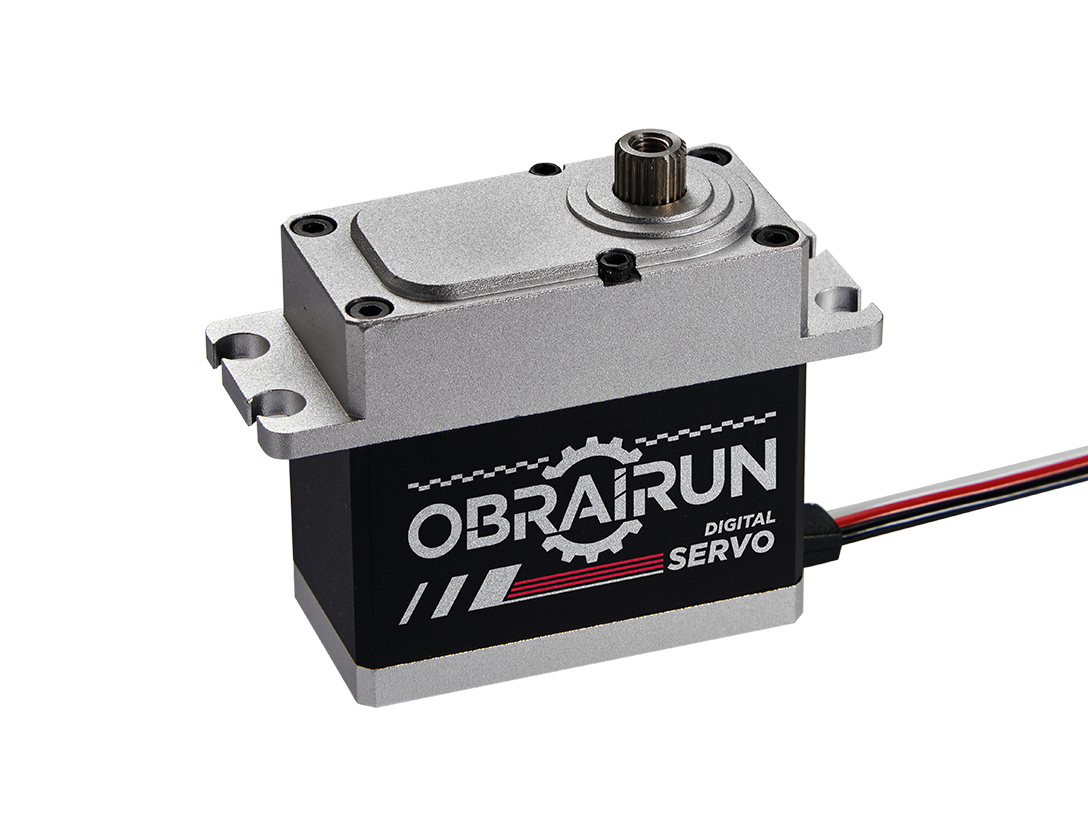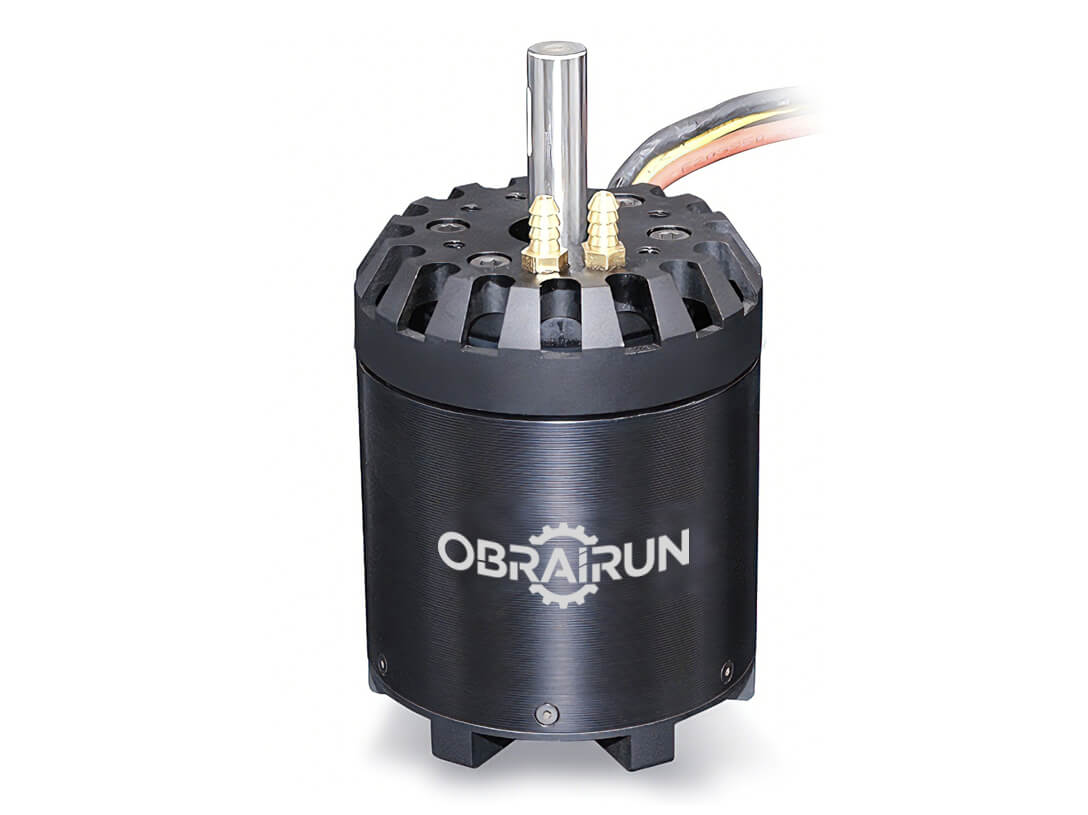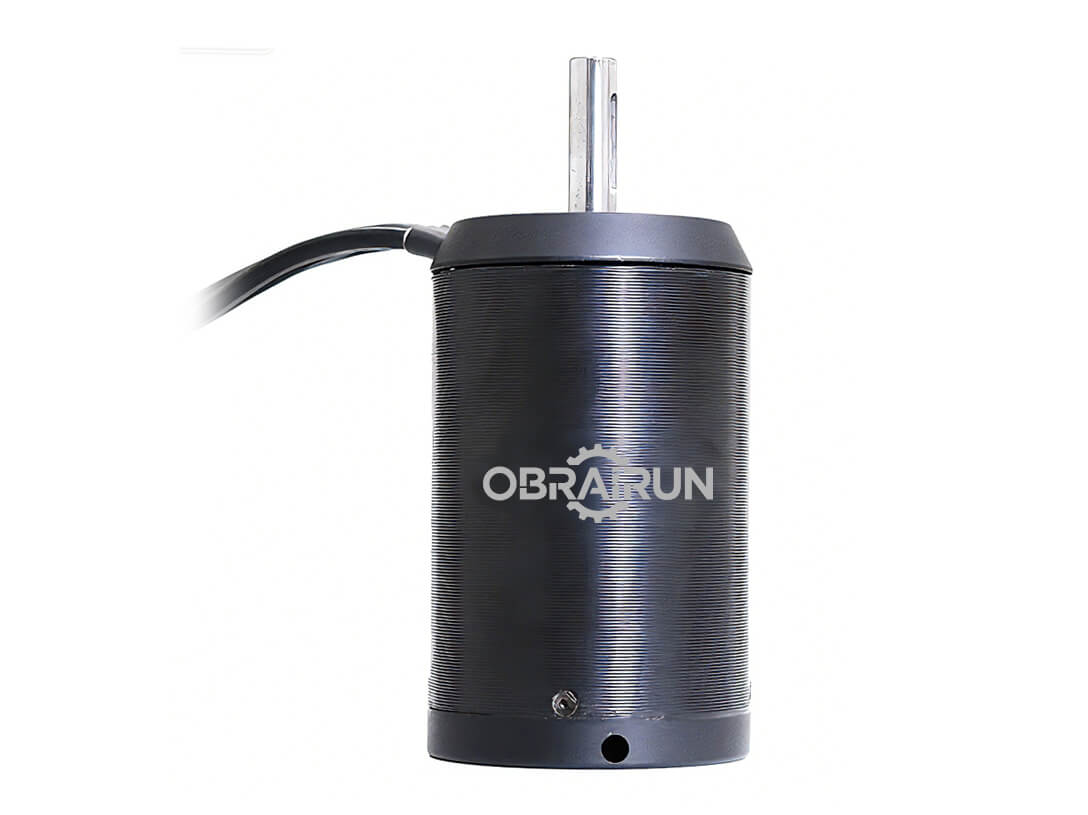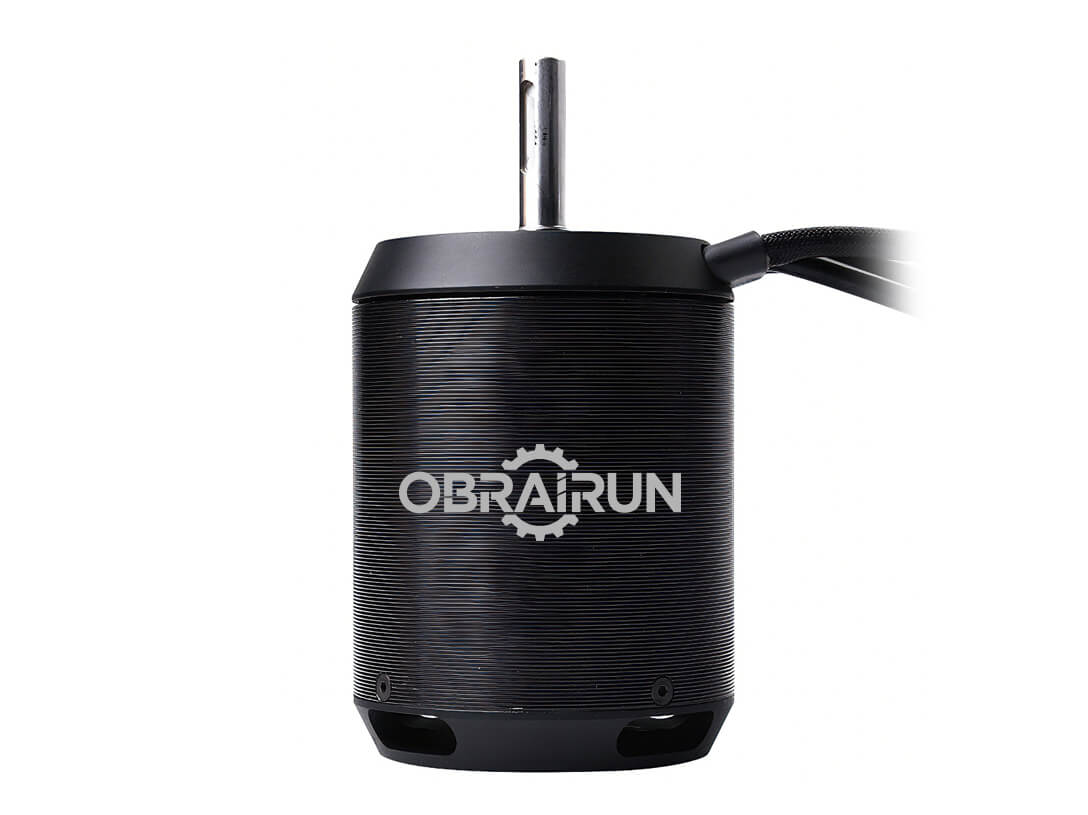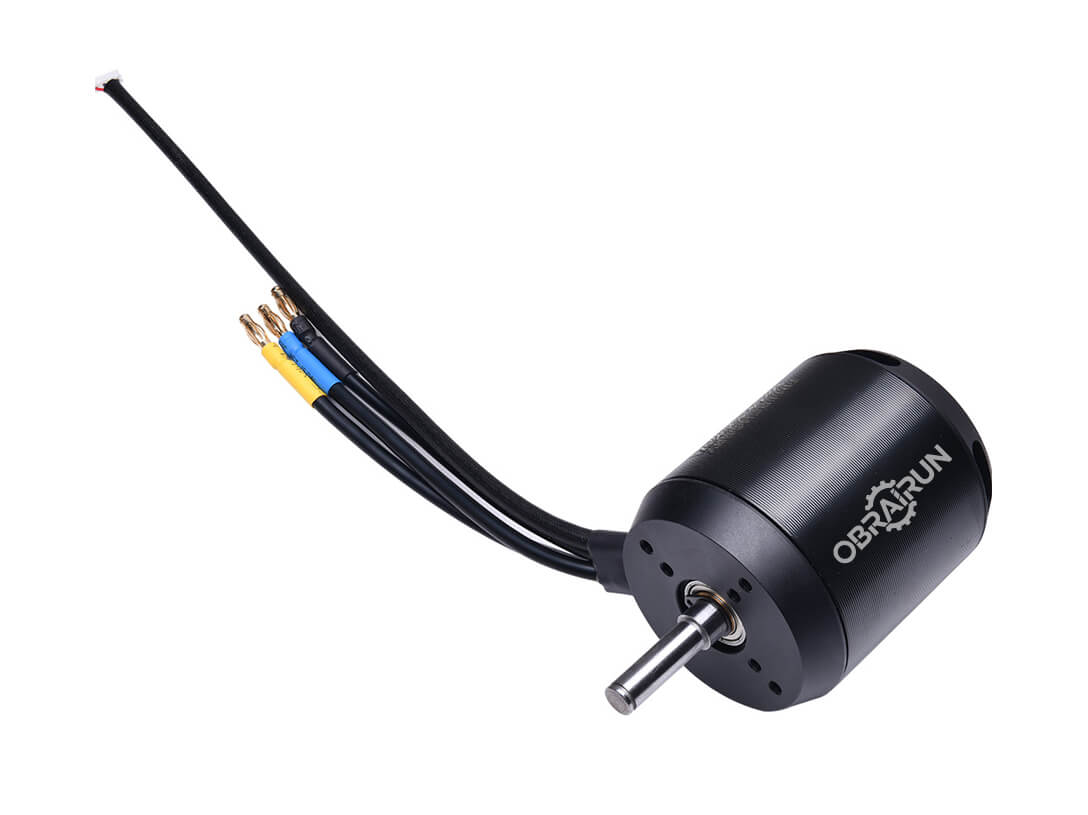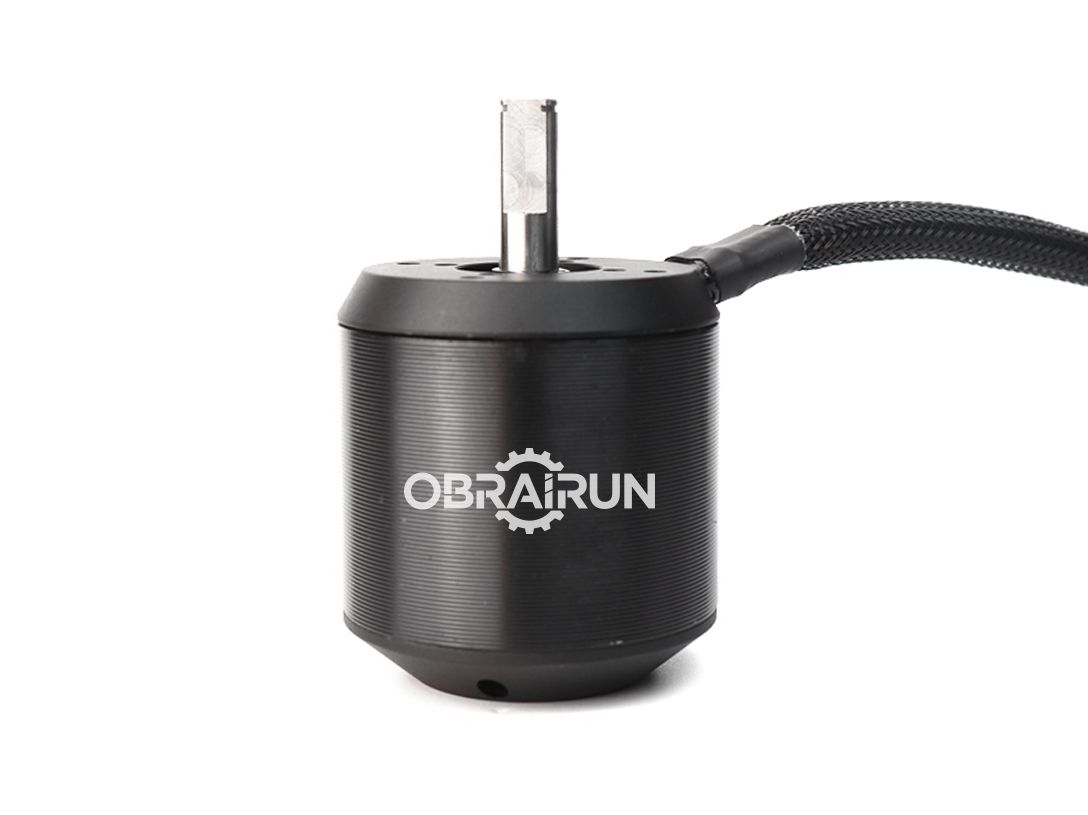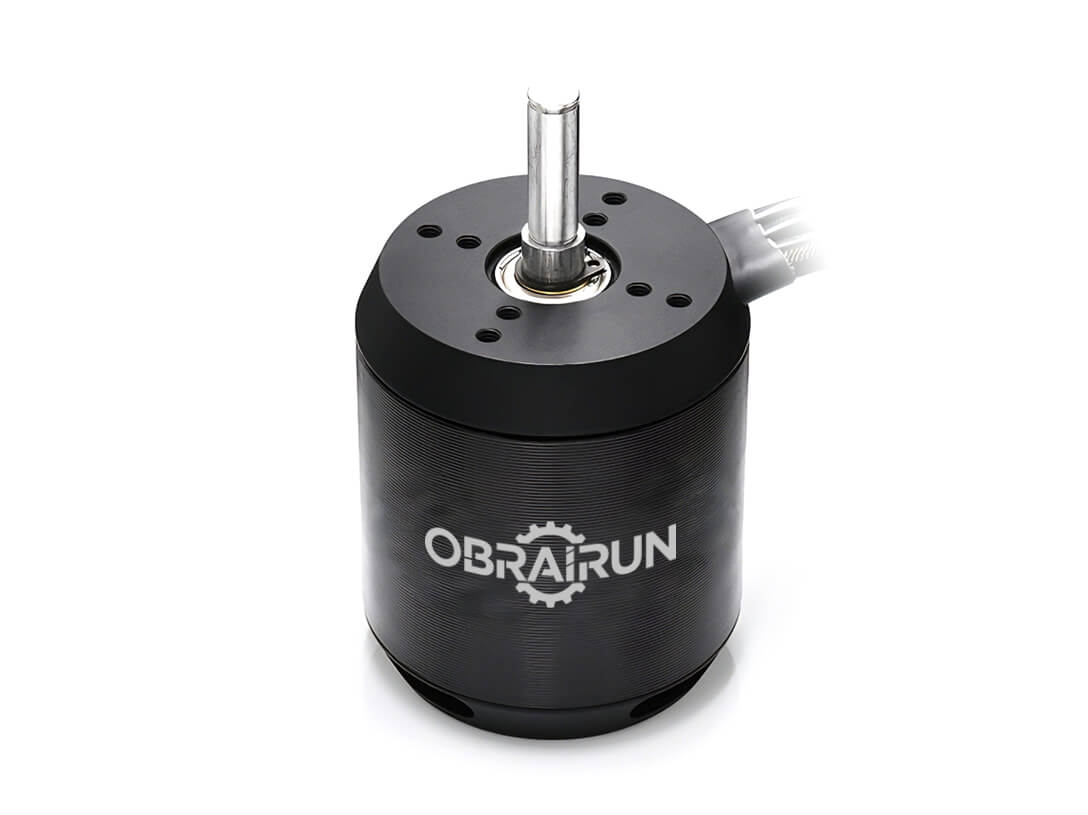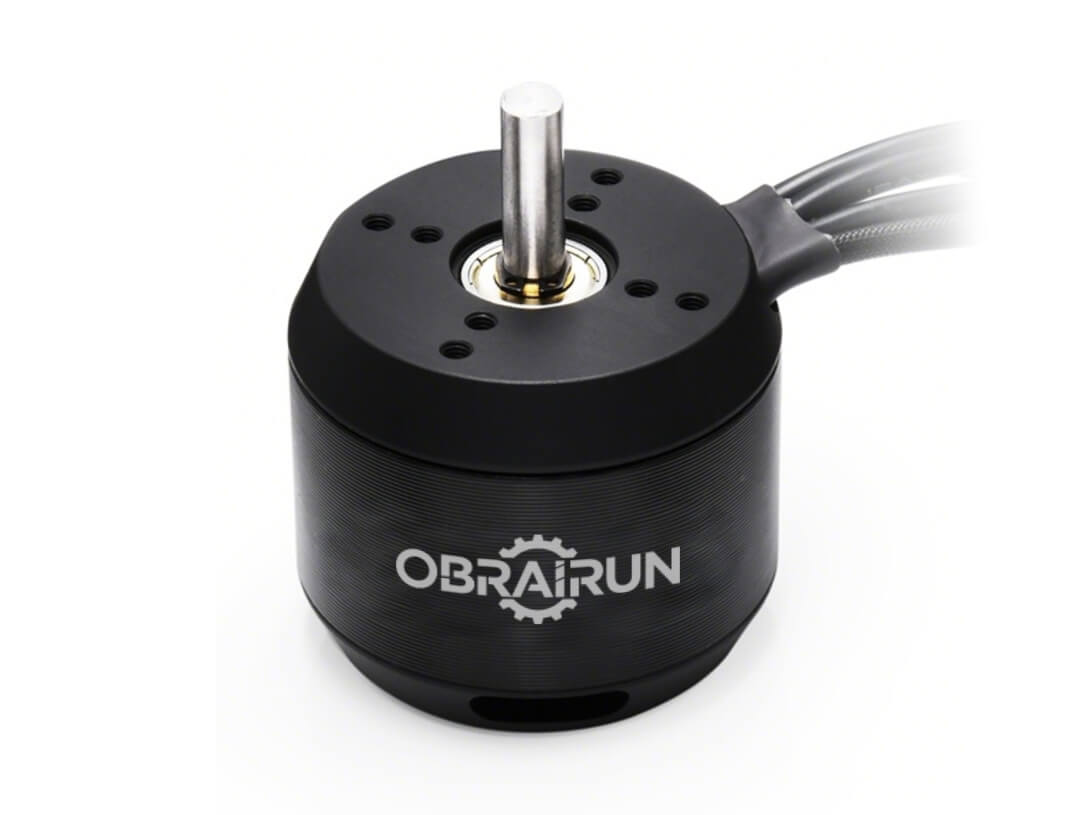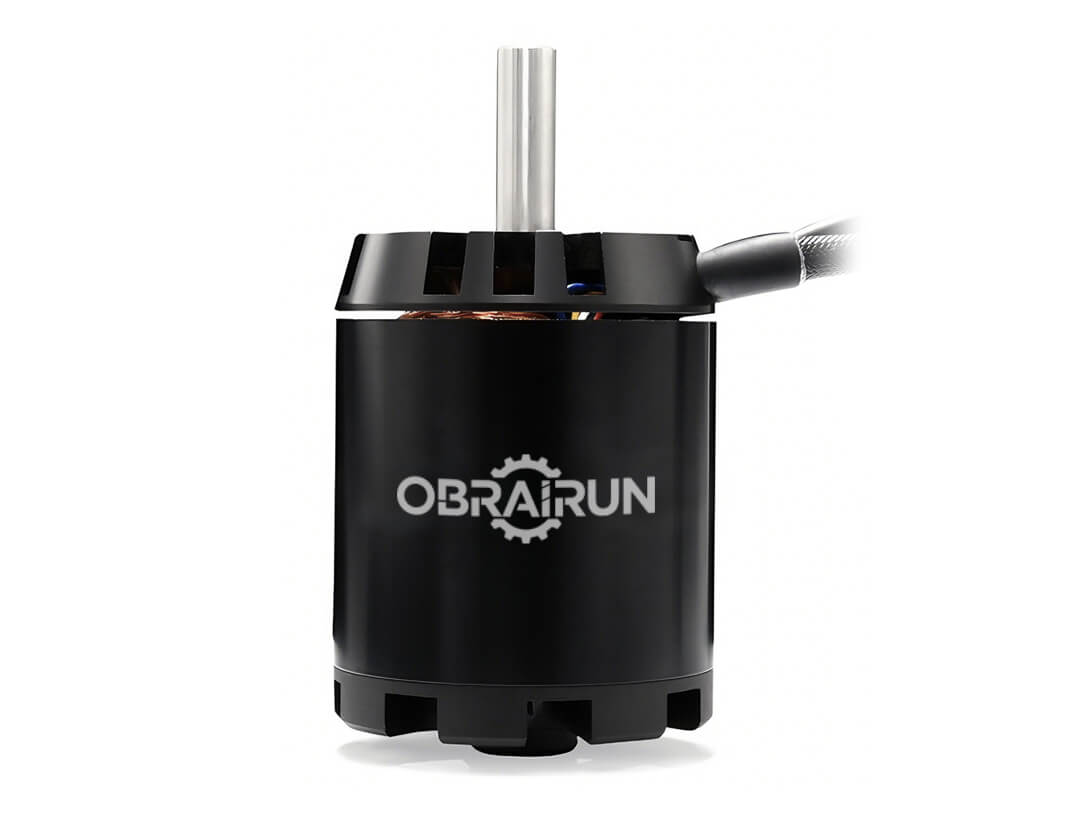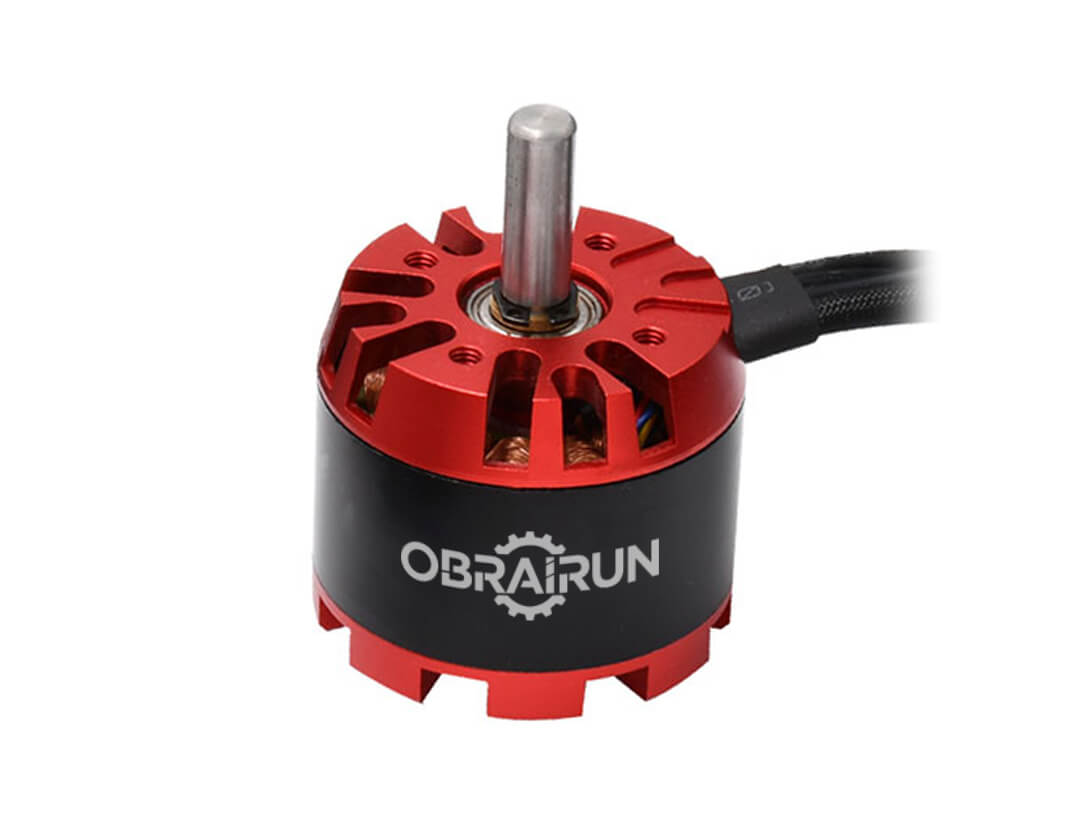

With the development of intelligent robot technology, core components such as servos and motors are the key to robot flexible movement and precise control. OBRAI-RUN provides high-performance robot components with high precision and strong stability, fully releasing the performance potential of robots.
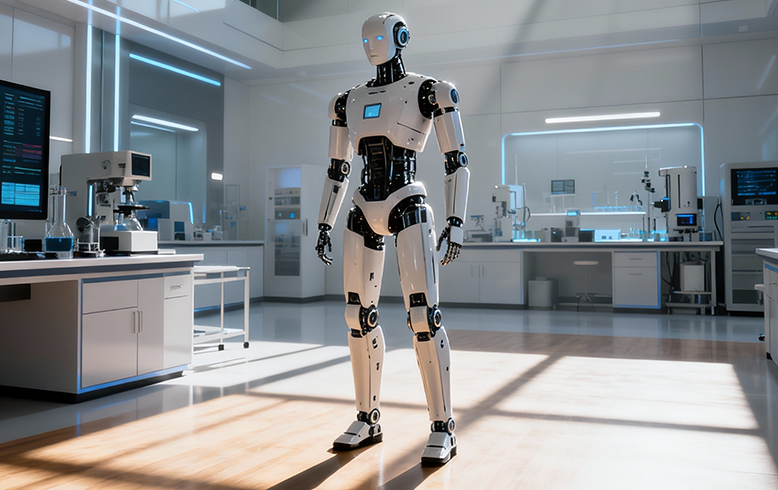
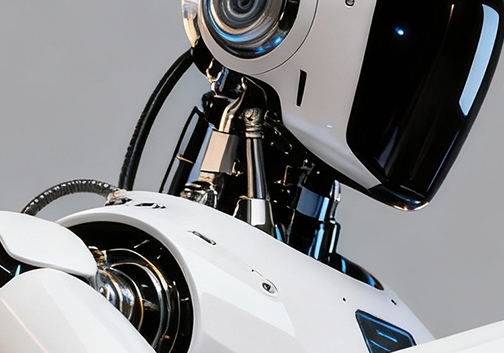
As the "joint drive unit" of robots, it is used for limb control, ensuring that robots move along a predetermined trajectory stably and precisely.
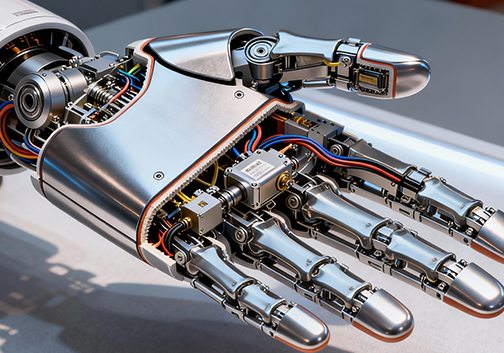
Applied to robot power systems, providing stable and efficient power support for the overall movement and operation of robots.
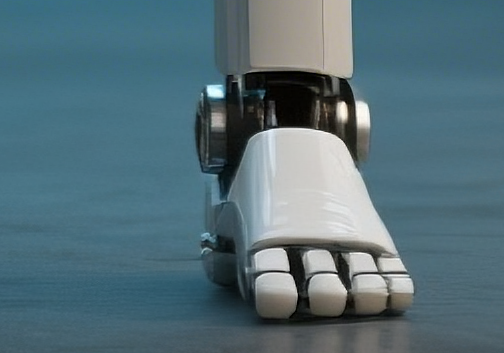
Widely used in various robots, matching core components to realize flexible and precise operation of robots in different scenarios.
How to choose the right joint modules and drive solutions for collaborative robots, mobile robots, and industrial robotic arms?
Joint solutions should be chosen based on load, accuracy, space, and level of collaboration. For collaborative robots, an integrated joint module (motor + harmonic reducer + dual encoder + brake) is recommended, featuring high torque density, low backlash, collision detection, and a safe torque ≤150Nm. Mobile robots use a hub motor + planetary reducer solution, emphasizing high dynamic response and energy efficiency. Industrial robotic arms can combine large hollow servo motors with RV reducers, supporting internal wiring. We offer modular joints (torque range 0.5Nm-5000Nm) and support digital twin simulation verification to ensure dynamic matching.
How does a robot control system achieve high-precision multi-axis synchronization and vibration suppression? Which development environments are supported?
Based on real-time Ethernet (EtherCAT, TSN) and FPGA hardware architecture, we achieve inter-axis synchronization accuracy ≤1μs, scalable to 128 axes. Vibration suppression employs adaptive notch filtering and model predictive control (MPC) to identify load inertia changes in real time and compensate for mechanical resonance. The development environment supports ROS/ROS2, MATLAB Simulink, CODESYS, and a proprietary graphical programming platform, providing an integrated toolchain from algorithm simulation to deployment. It can import URDF models for collision detection and trajectory optimization.
How are the robot's perception modules (3D vision, LiDAR, force control) deeply integrated with motion control?
We provide a multi-sensor fusion framework with a unified spatiotemporal reference: 3D vision (depth accuracy ±0.1mm) outputs point clouds to the motion planner, achieving a closed loop of "hand-eye calibration - grasping planning - obstacle avoidance"; 2D/3D LiDAR integrates SLAM and dynamic obstacle prediction to update the real-time navigation map; a six-dimensional force sensor (resolution 0.01N) achieves adaptive grinding and assembly through admittance/impedance control. All perception data interacts with the motion controller in real time via shared memory, with a latency of <5ms, supporting online calibration and anomaly self-masking.
How are the reliability indicators (MTBF, protection level, vibration resistance) of the robot's core components verified?
What is the maintenance cycle? The joint module has an MTBF ≥ 60,000 hours (accelerated life testing based on IEC 62830 standard), an IP67 protection rating (IP69K optional), and vibration resistance meets IEC 60068-2-64 standard (random vibration 5Grms). The actuator has undergone high and low temperature cycling tests from -25℃ to +85℃ and 85% humidity tests. Recommended maintenance cycle: replace grease every 3000 hours, calibrate the encoder zero point every 2 years, and replace bearings every 5 years. We provide a predictive maintenance SDK that can monitor temperature rise, vibration harmonics, and torque fluctuations in real time, providing early warnings of lifespan degradation.
How do robot components achieve functional safety (SIL/PL) and network information security? What communication and integration protocols are supported?
The safety architecture complies with ISO 13849 (PL e) and IEC 61508 (SIL 3), integrating hard safety functions such as Safe Torque Off (STO), Safe Speed Limit (SLS), and Safe Zone (SZ), with a response time ≤10ms. Network security complies with IEC 62443 and supports communication encryption, secure boot, and vulnerability scanning. Communication protocols support OPC UA, DDS, and MQTT, and are deeply integrated with mainstream PLCs (Siemens, Rockwell) and MES/digital twin platforms. We offer an "integrated security" certification suite, which can shorten the overall certification cycle by 60%.