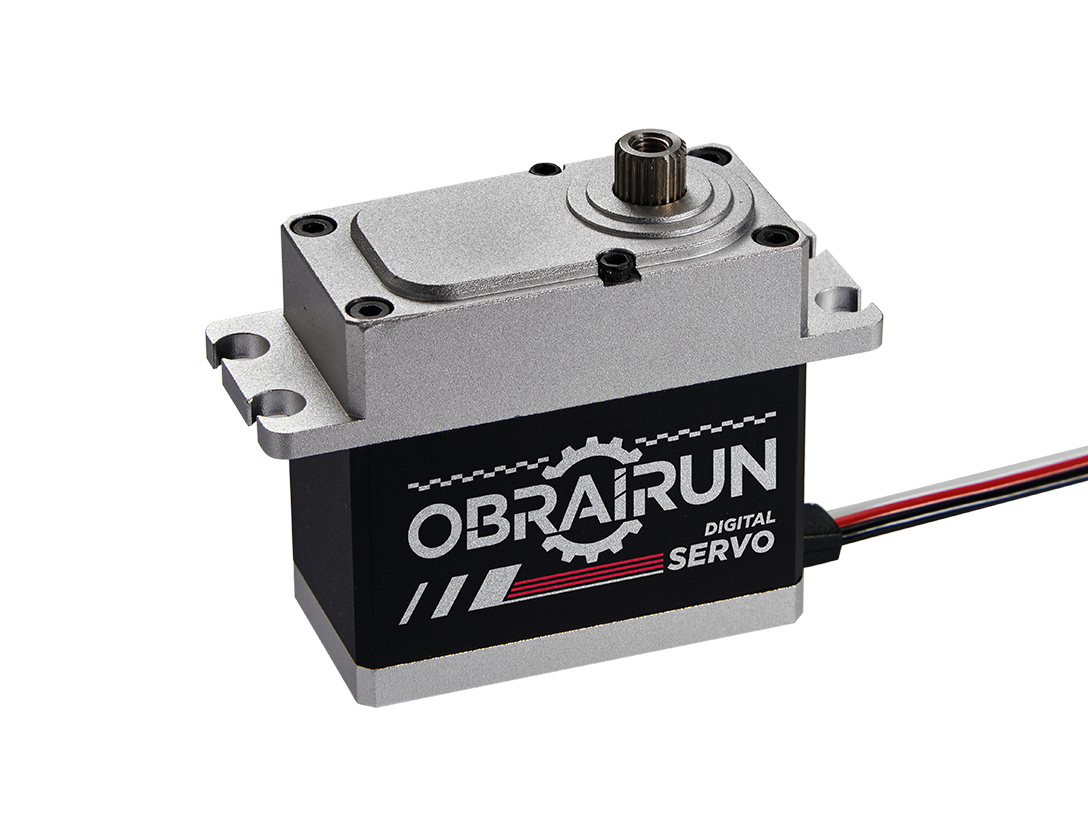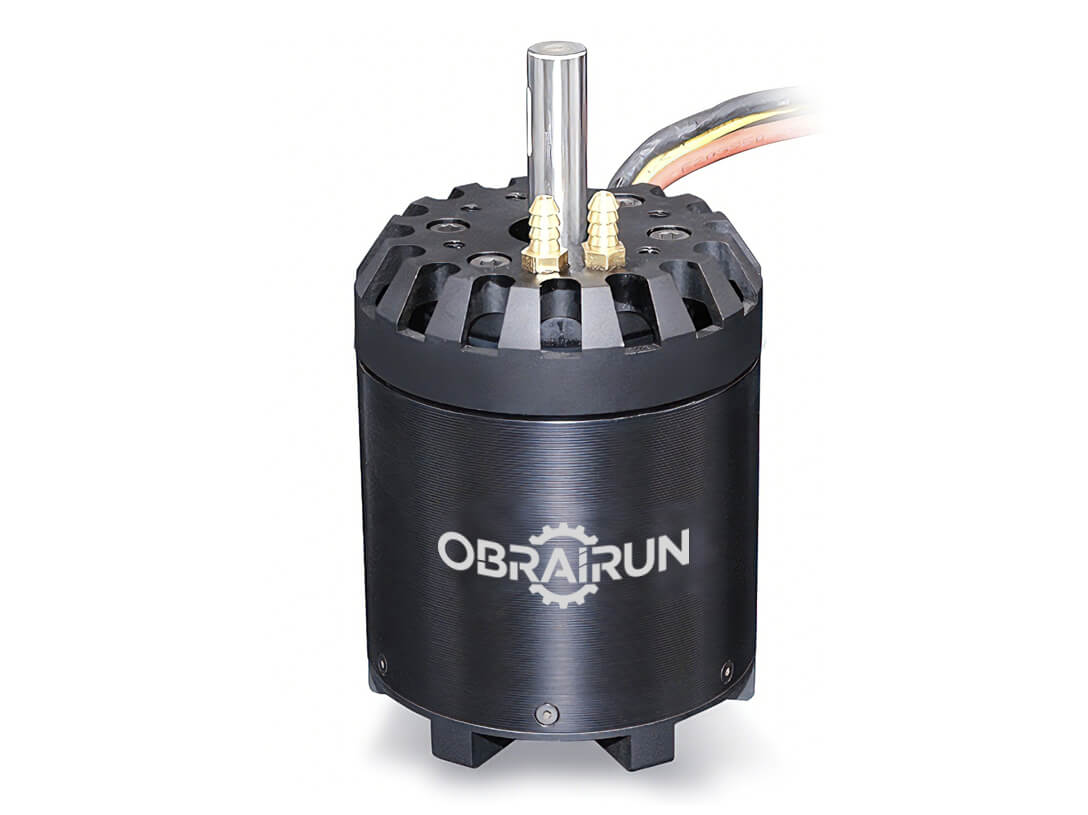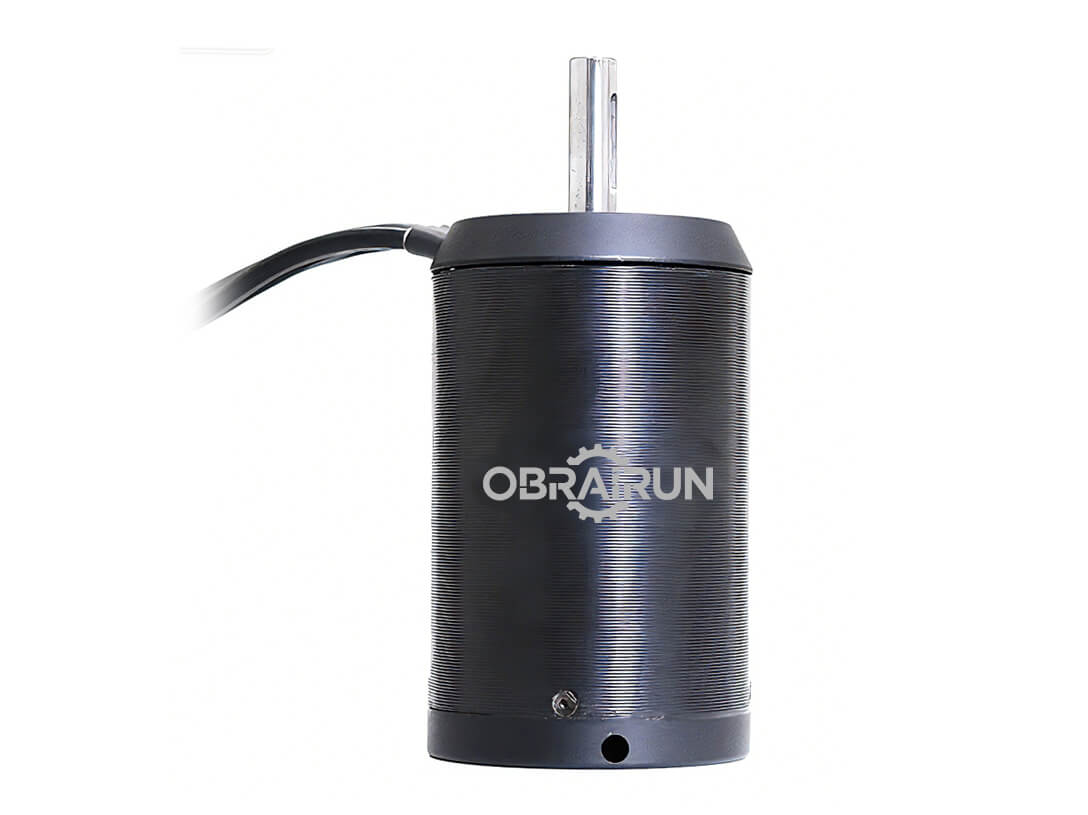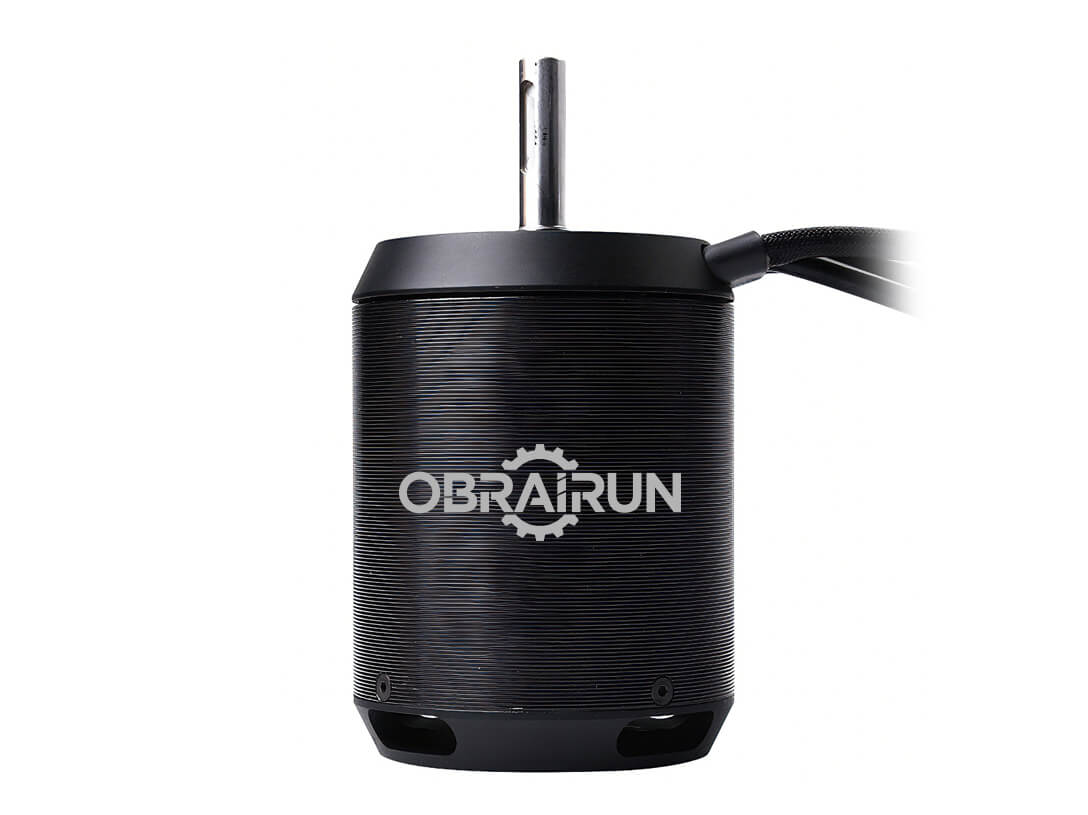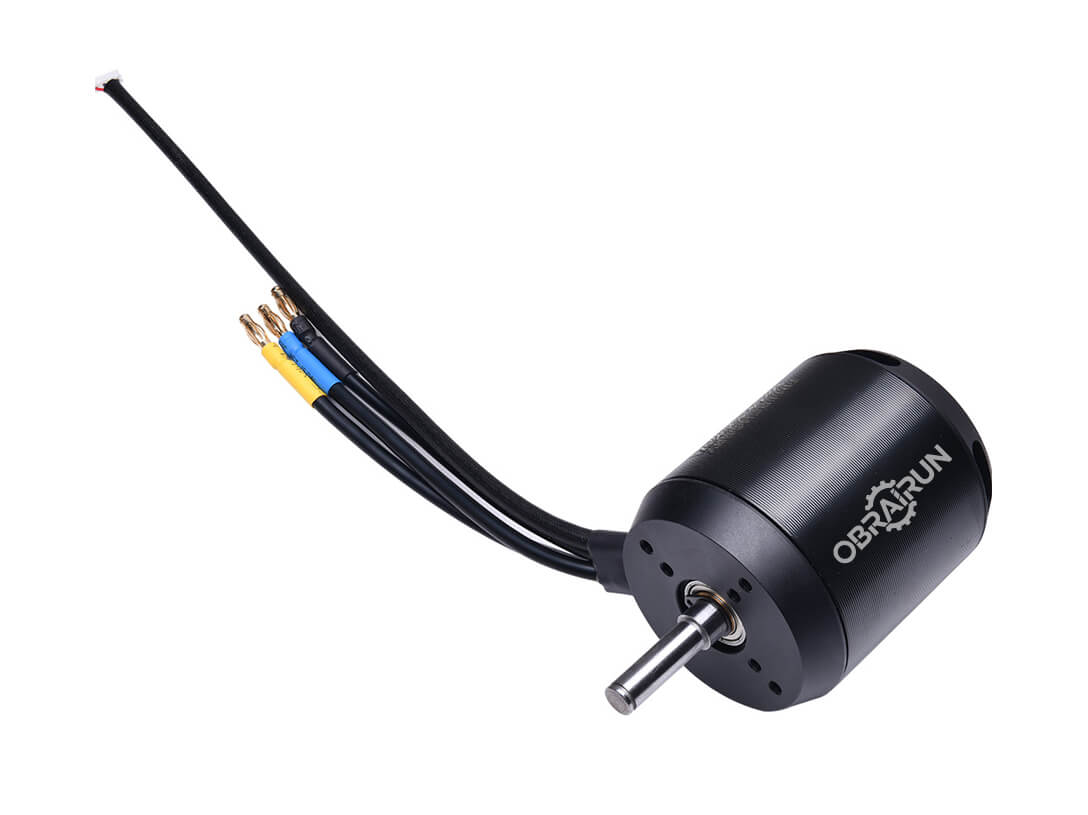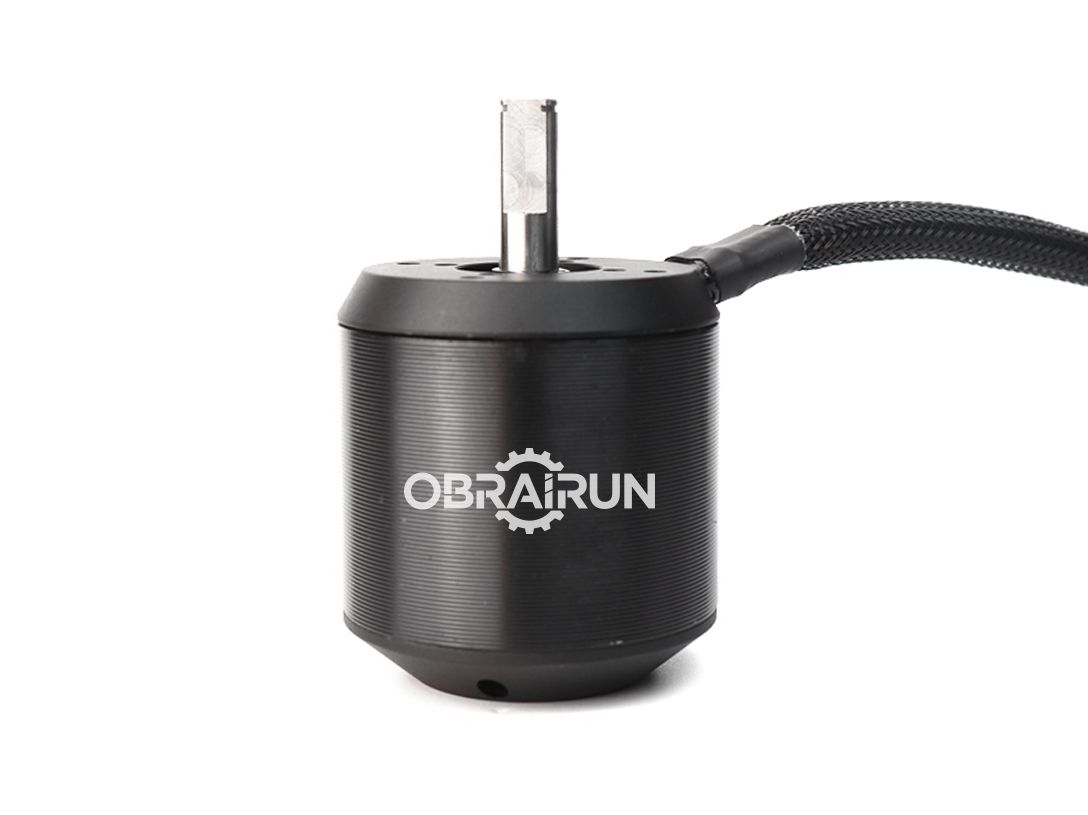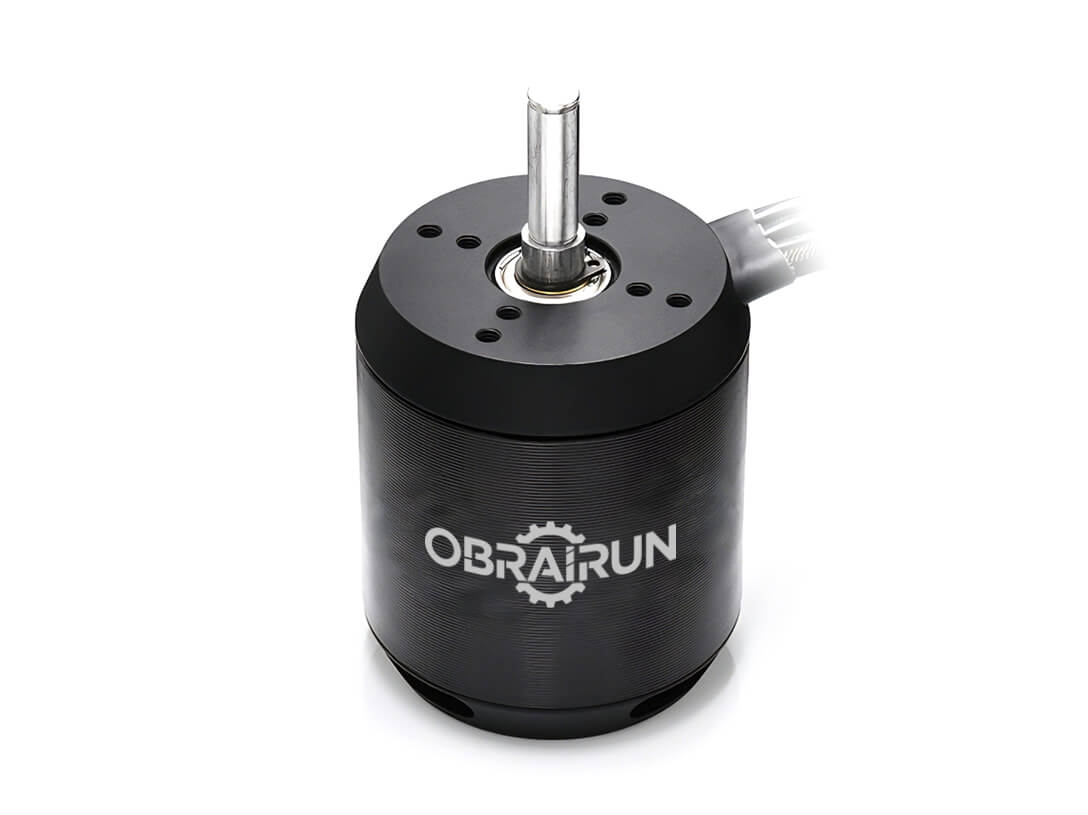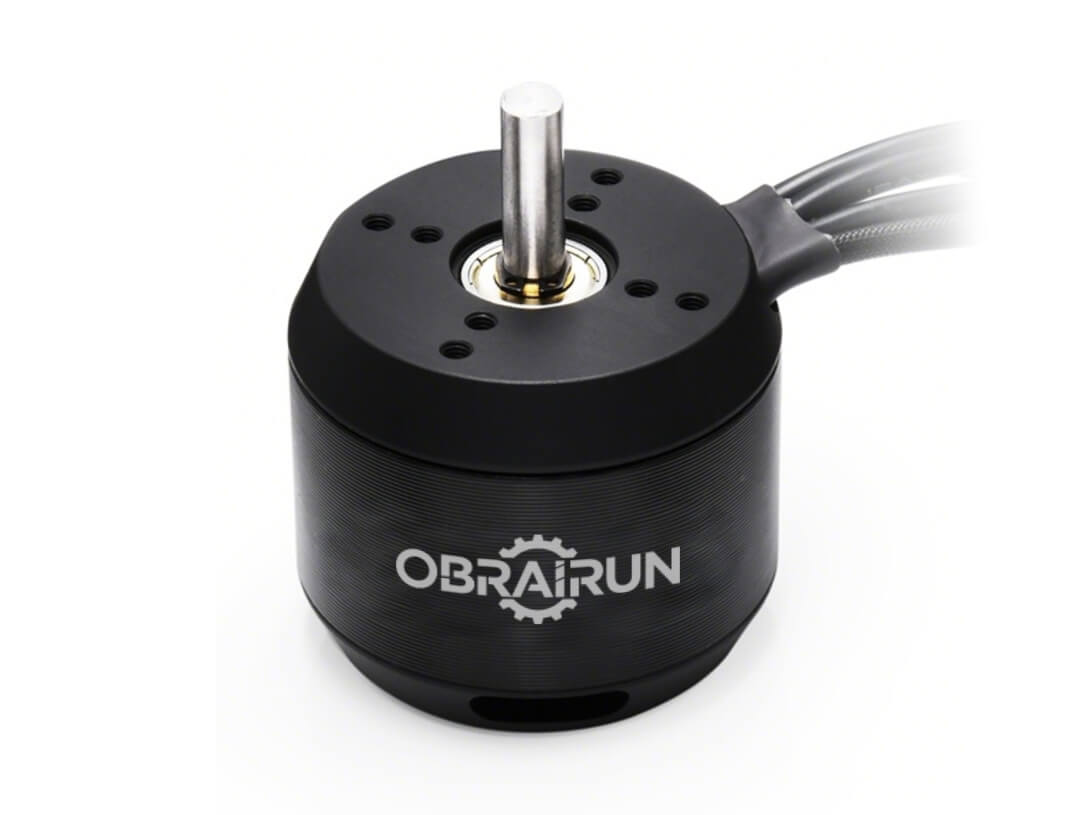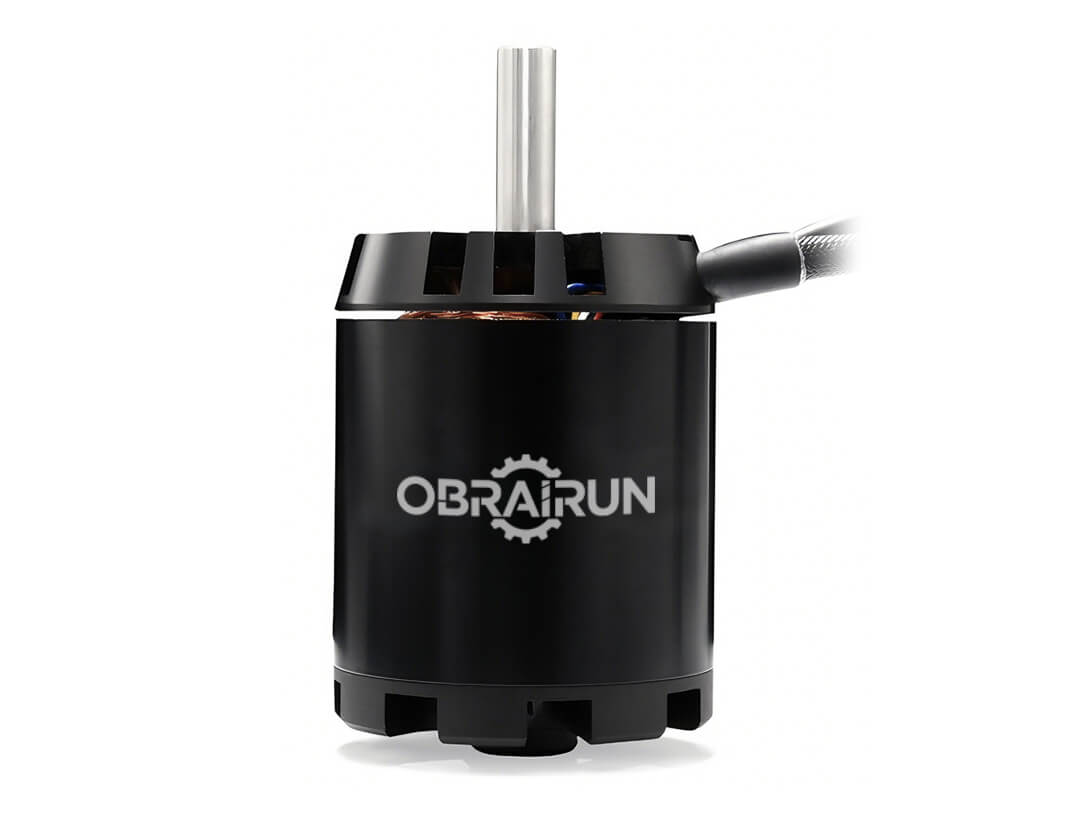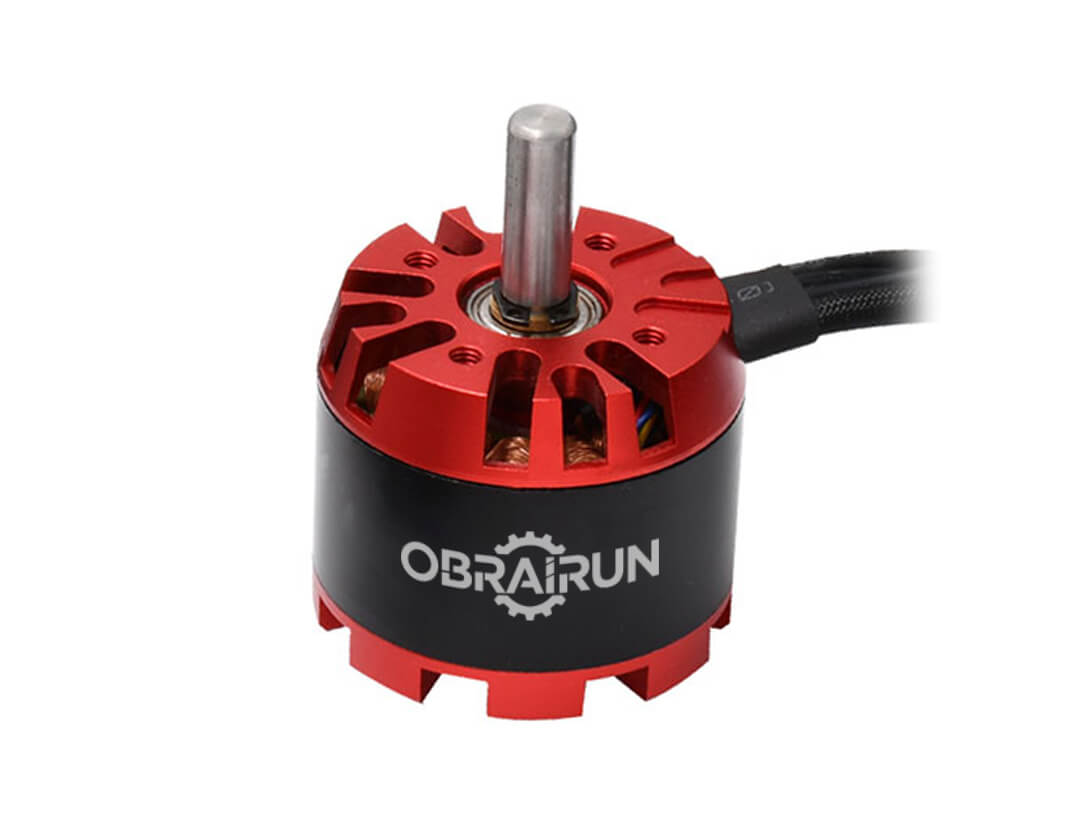

With the development of competitive RC car (boat) model technology, core components such as servos, motors and ESCs are the key to model speed, responsiveness and stability. OBRAI-RUN provides high-performance components with fast response, high stability and strong durability, fully releasing the competitive potential of models.

Our servos, motors and ESCs are applied to competitive RC cars, providing precise steering and stable power, ensuring models perform well in high-speed competition.
Widely used in competitive RC boats, matching power systems to enhance speed and stability, adapting to complex water competition environments.
Specialized in high-speed FPV racing drones, our motors and ESCs deliver extreme power-to-weight ratio and instant response, enabling pilots to achieve precise control and breakneck speed in complex aerial tracks.
How to choose the right powertrain (motor/ESC) for a racing RC car?
The selection must match the car's weight, track, and regulations. For 1/10 scale on-road cars, a 13.5T-17.5T brushless motor with a sensor is suitable, emphasizing linearity; off-road cars require higher explosive power, so a 4-pole motor specifically designed for short-haul trucks can be chosen. The ESC should support high refresh rate throttle response and turbo boost, and be compatible with Sensored FOC technology to improve cornering acceleration.
How to optimize the steering and suspension systems to adapt to different road surfaces?
The steering servo needs a high-speed 60° response within 0.08 seconds, and metal gears provide shock resistance. The suspension uses multi-stage adjustable shock absorbers and composite control arms, adapting to high-grip tracks or soft off-road surfaces by changing the throttle, springs, and camber angle, ensuring cornering stability and landing posture after jumps.
How do the remote controller, receiver, and body shell affect handling performance?
High-end remote controllers support multi-model memory, throttle curve fine-tuning, and Exp adjustment. The receiver should have low latency (≤5ms) and strong anti-interference capabilities. The body shell needs to balance downforce and low drag, and the grip on high-speed straightaways and corners should be balanced by adjusting the rear wing angle and vent positions.
How should the battery be selected to achieve the longest range and best power output?
For short-distance racing, use short-bodied, lightweight, hard-shell lithium batteries with a high discharge C-number (80C+); for endurance racing, high-capacity (5000mAh+) graphene batteries can be used. The battery internal resistance must be ≤2mΩ, and a smart balance charger should be used to maintain cell consistency and avoid power loss due to voltage unevenness.
What are the key parameters for vehicle setup and tuning?
Fine adjustments are needed for differential oil concentration (front/center/rear), anti-preload, chassis height, and wheel toe angle. Gyroscopes can be used to assist in stabilizing cornering, and data loggers can be used to analyze throttle, steering, and G-force curves to optimize vehicle dynamic response. It is recommended to check transmission wear and bearing smoothness after each race.